0% complete
Same Energy

Same Energy

By Jerry Valentino Wright

Self-HelpMotivationalSpiritual

Your energy is your currency, your shield, your compass. This is the blueprint to cut off energy leaks, protect your peace like priceless treasure, build boundaries without apology, and create legacy that outlives you.

Buy on Amazon

Dedication

This book is dedicated to the givers — the ones who kept pouring even when their own cup ran dry. To the people who showed up for others on empty, smiled through storms, and loved without ever being loved the same way. You are warriors disguised as ordinary people, carrying silent battles no one sees but God. This is for the dreamers who stayed awake when the world slept, the fighters who crawled when their legs gave out, and the believers who clung to faith when doubt wrapped around their throat like a hand.

It's dedicated to the broken hearts that still beat with hope, the tired souls that refused to quit, and the wounded spirits that chose healing over hate. You are proof that resilience is real, that strength is more spiritual than physical, and that energy — when protected — becomes armor.

And finally, this is dedicated to my family. You are my anchor when life tries to drift me away, my fire when the cold world surrounds me, and my reason when quitting whispers in dark corners. Your love doesn't just hold me up — it fuels me. Every page, every word, every ounce of energy in this book beats with your fingerprints. Thank you.

Acknowledgments

No book is ever built alone, and Same Energy is no exception. First, I honor God — the architect of my purpose, the muse behind every line, the strength behind every word. Without His breath, these pages would crumble into dust. Every revelation in this book came from moments when I was empty, yet somehow poured full — moments only God can explain.

To my family and loved ones: thank you for lending me peace when life demanded all of it. Your patience, your encouragement, your silent prayers carried me farther than I could walk on my own. To those who checked in, even when I didn't have the words to respond — your presence mattered.

To my friends, supporters, and believers: thank you for seeing value in my voice even when I questioned it myself. Every share, every conversation, every moment you invested in me echoed louder than you realize.

And to the readers — the heartbeat of this project: thank you for trusting me with your time, your attention, and your energy. You could have spent it anywhere, but you chose these pages. That choice is sacred to me. My prayer is that every word you read gives you back more energy than it takes to turn the page.

Introduction

Energy is the pulse of your existence. It moves through everything — the conversations you entertain, the dreams you chase, the battles you fight, the tears you cry. Yet most people never stop to ask a simple question: Where am I spending it? Or more importantly, Who am I giving it to?

I wrote this book because I've learned the hard way what it feels like to pour into people who only take, to chase success while losing peace, to hold onto dead situations hoping they'd magically rise again. I learned that energy — not money, not fame, not followers — is what shapes your life's direction.

This book isn't about hype. It's not about feeling good for a moment and forgetting everything tomorrow. These pages are structured to confront you gently when needed… and loudly when necessary. You'll hear truth that stings, wisdom that settles, and perspective that stretches you.

Think of this as a conversation between us — real, raw, unfiltered. We'll explore boundaries, relationships, time, failure, legacy, and the spiritual alignment necessary for peace. By the end, I believe something in you will shift — not just how you think, but how you move.

Welcome to a journey of energetic transformation. Turn the page. Let's begin.

Prologue — The Energy That Shapes Your Life

Energy is invisible, but it's not silent. It whispers in the choices you make, the people you trust, and the battles you fight when no one's watching. It's in the way you walk into a room, the tone in your voice, the posture of your heart. Energy is the currency of your life, and everything you do is either an investment… or a debt.

Look around at your life right now — your relationships, your joy, your frustration, your growth. All of it is a reflection of the energy you've allowed in your space. That's why some people feel drained even when nothing is physically wrong. Their spiritual bank account is overdrafted, because life is constantly charging fees.

This book isn't just about protecting your energy — it's about multiplying it. It's about recognizing when a season has expired, when a door has closed, when a friendship has become a grave you're still feeding. It's about understanding that peace isn't passive — it's protected. Purpose isn't accidental — it's fueled. Legacy isn't accidental — it's built.

As you journey through these chapters, you'll be challenged to clean your energy, elevate your circle, and choose yourself without guilt. When you finish, your walk, your talk, your boundaries, and your future will carry a different frequency.

This is your wake-up call.

Chapter 1 – Energy Is Currency

Part 1: Defining Energy Beyond Hype

Energy isn't some trendy word people toss around on social media for likes. It's the silent force that drives everything you do, from how you wake up to how you walk into a room. Picture life like a massive marketplace. You're walking through it every day, exchanging energy without even realizing it. Every conversation is a transaction. Every decision is a deposit or a withdrawal. Some interactions pay interest. Others drain you dry. Most people don't see energy that way, so they spend it recklessly — arguing with fools, chasing people who don't care, defending themselves to those committed to misunderstanding, scrolling themselves numb until midnight.

Energy shapes the unseen economy of your life. The wealthy aren't always the richest in dollars — sometimes they're the richest in peace, focus, boundaries, and purpose. Meanwhile, the spiritually bankrupt walk around overdrafted because they never learned that energy is a real currency with real consequences.

When you begin to understand energy as value, you start moving different. You don't waste words, time, or presence. Your yes becomes valuable. Your no becomes sacred. You stop chasing hype and start chasing alignment. Energy is wealth — and the moment you comprehend that, your entire life pivots in your favor.

Part 2: Where Energy Flows, Results Grow

Life is a garden, and energy is the water. What you feed will flourish — what you neglect will wither. Look around. Your habits, relationships, achievements, even failures — they're all evidence of where you've been pouring your energy. The gym builds muscle. Prayer builds faith. Reading grows wisdom. But arguments? Jealousy? Procrastination? They are weeds that grow with frightening speed when watered.

Most people don't have a lack of energy — they have a lack of direction. They pour gallons into distractions and drips into their dreams. Then they wonder why nothing changes. They nurture entertainment but starve elevation. They water fear more than faith. Life isn't biased; it simply multiplies whatever you feed.

Focus is a spiritual law. When your energy is scattered, your results are too. But when you channel it with intent — entire worlds shift. Suddenly, opportunities show up. People notice you differently. Solutions appear where walls once stood.

You don't need luck. You need alignment. If you want a different harvest, change where you're pouring your water. Pull the weeds. Water the seeds. Shift the soil. Because wherever your energy flows, results will grow — for better or worse. Choose wisely. Your future depends on it.

Part 3: Protecting Your Spiritual Bank Account

Imagine logging into your bank and seeing your balance drained. Panic hits. You start calling, questioning, tracking every transaction. Yet when your spiritual balance runs low — peace gone, joy empty, patience thin — most people don't ask where their energy was stolen. They keep swiping their emotional card, overdrafting their spirit.

Every person, habit, environment, and thought is either a deposit or a withdrawal. Some people pour into you with encouragement, accountability, faith. Others drain you with jealousy, drama, entitlement, or chaos. There's no such thing as neutral energy. It's either feeding your soul or starving it.

Protecting your spiritual bank account means checking statements daily. Who called? What did you listen to? Did the conversation lift you or leave you hollow? Did you waste energy on proving yourself to someone committed to misunderstanding?

You wouldn't hand your debit card to strangers — so why hand out access to your peace? Set overdraft alerts in your spirit. When someone constantly withdraws, cut the card. When environments drain you, relocate. Peace is priceless. Joy is wealth. Protect them like your next breath. Because once your spirit goes bankrupt, rebuilding takes real spiritual currency — time, healing, and boundaries.

Part 4: Recognizing Energy Leaks

Most people don't lose energy through explosions — they lose it through leaks. Silent, slow, invisible drains that go unnoticed until you're running on fumes. It's the endless scrolling that eats hours. The coworker's gossip you entertain "just to be polite." The friend who always dumps their problems but never asks about yours. The unresolved hurt you carry like luggage from room to room. Leaks steal joy in tiny increments until one day you wake up numb.

Energy leaks hide in routines you never questioned. That late night that steals tomorrow's focus. The "just one more chance" you give to someone who's proven they don't deserve it. The apology you craft for having boundaries.

To fix leaks, you must first admit you have them. Sit in silence. Look at your week. Where did you feel lighter? Where did you feel heavier? Your spirit knows the answer before your mind does.

Patch leaks with discipline. Limit access. Turn off notifications. Stop explaining yourself to energy thieves. You cannot reach destiny with a gas tank riddled with holes. Awareness is the flashlight. Courage is the wrench. Once you fix the leaks, momentum returns — and life finally accelerates.

Part 5: Multiplying Your Energy Like Wealth

Wealthy people don't let money sit — they invest it so it multiplies. Energy works the same. When poured into the right soil — faith, discipline, purpose, skill — it compounds. One disciplined morning becomes a productive week. One healthy boundary becomes a healed identity. Small shifts create massive ripples.

Multipliers are hidden in daily choices. Reading instead of scrolling. Praying instead of worrying. Thinking long-term instead of chasing instant gratification. Choosing your future self over your current feelings. These decisions create spiritual compound interest — momentum that grows faster than you expect.

The tragedy is watching people pour energy into empty wells — chasing validation, dead relationships, gossip, jealousy. That's spiritual poverty. It keeps you emotionally broke no matter how hard you hustle.

Multiplying energy means investing where returns exist: mentors, books, health, skill-building, quiet time with God. The more you pour into purpose, the more purpose pours back into you.

Over time, your energy becomes abundance. Creative ideas rush in. Opportunities find you. Doors swing open without you touching the handle. Because success isn't magic — it's multiplication.

Protect your energy. Invest it wisely. Let compounding blessings prove one truth: when your energy multiplies, your entire life expands.

Chapter 2 – Same Energy, Same Respect

Part 1: Reciprocity Rules the Game

Reciprocity is the heartbeat of every relationship — personal, professional, romantic, even spiritual. It's not about keeping score; it's about balance. Life flows in circles, not straight lines. When you give, something should come back. When you pour, something should refill. Yet millions walk around exhausted, carrying relationships that function like broken vending machines — insert love, get nothing; insert loyalty, get silence; insert effort, get excuses.

When someone refuses to pour into you, it's not accidental — it's intentional. Energy doesn't get lost along the way; it goes exactly where they want it to go. If they can laugh loudly at someone else's achievements but whisper at yours, that's data. If they show up late to your celebrations but arrive early for their own, that's a pattern.

Reciprocity is not petty. It's protection. If you continue pouring into those who never serve you back, you spiritually bankrupt yourself while they feast. The wise know: match consistency, not potential. Match action, not intention.

The moment you enforce reciprocity, you'll lose fake friends, jealous family, unstable partners, and weak connections. Perfect. That loss is actually gain. Because respect isn't requested — it's reflected. And energy will never flourish where reciprocity does not exist.

Part 2: Stop Overfeeding Empty Plates

Imagine cooking a feast — hours of preparation, seasoning, chopping, plating — only to serve it to people who take one bite, shrug, and ask, "Is that all?" That's what it's like feeding empty plates. You pour love, effort, encouragement, time, and patience into people who barely acknowledge it.

Some people are permanently hungry because they never learned how to feed themselves. They survive by draining the nearest giver. They know you'll answer late-night calls, show up last minute, lend energy freely. They come back not because they love you — but because they love your supply.

You weren't created to be everyone's grocery store. When you overfeed empty plates, you teach people to expect meals without offering gratitude. Stop serving seconds to those who never finished their first blessing. Stop offering full meals to people who nibble at crumbs and complain about seasoning.

Pull back. Let silence speak. Watch how quickly those who depended on your energy panic when the buffet closes. Your absence becomes their hunger pang. The right ones will bring their own plate, fork, and ingredients. They'll cook with you, not just eat from you.

Overfeeding is not kindness — it's self-neglect. Feed where appreciation grows. Not entitlement.

Part 3: Recognizing Unequal Exchanges

Unequal exchanges are the invisible thieves of destiny. They disguise themselves as friendships, partnerships, situationships, and family bonds, draining your spiritual wallet without ever reaching into theirs. It's not always dramatic — sometimes it's subtle. It's the friend who only calls when they need. The relative who supports everyone except you. The coworker who takes credit for work you bled for.

Unequal exchanges feel like walking uphill with weights tied to your ankles. The more you give, the heavier you become. You start questioning your value, thinking maybe you're asking for too much. You're not. You're just surrounded by people who give too little.

Energy should circulate. If it only flows one way, it's a leak, not love. When someone consistently expects more than they offer, they're not your partner — they're your taker. And takers don't stop taking until suppliers run dry.

Stop normalizing imbalance. The moment you pull back, watch who gets offended. Parasites panic when the host detoxes. The ones who love you will ask, "How can I support you?" The others will say, "You've changed."

Good. Change is survival. Unequal exchanges are silent funerals — bury them before they bury you.

Part 4: Matching Vibes Without Losing Yourself

Matching energy doesn't mean mirroring someone's toxic behavior. It means adjusting your output in alignment with what they consistently show. If someone gives effort, give effort. If they communicate, communicate. But if they disappear, respect their silence and vanish too.

Too often, people confuse matching vibes with vengeance. It's not revenge. It's equilibrium. You are not obligated to overflow where others drip. Protecting your energy doesn't make you cold — it makes you conscious.

Matching vibes also means preserving dignity. Don't lower your frequency to meet someone's insecurity. Don't shrink just because they fear your shine. Stay elevated, but adjust access. Not everyone deserves front-row seats to your life.

If someone gives 20%, stop giving 120% trying to "convince" them. You're watering concrete. It's not that you're not enough — it's that they're incapable.

Your energy is currency. Only match where investment exists. And when someone's vibe shifts, don't chase the reason — respect the message. Matching vibes means letting their behavior teach you who they are, without losing who you are in the process.

When your value is understood, you never have to force alignment. Your energy speaks. The wise will listen. The jealous will scatter.

Part 5: Walking Away with Dignity

There is no power greater than the quiet, controlled exit. Walking away isn't weakness — it's emotional wealth. It's saying, "I refuse to spend more energy in a deficit." When you leave a space with dignity, without theatrics, without dragging someone through the dirt, you become unforgettable. Your silence echoes louder than any speech.

The world teaches you to fight harder, stay longer, prove yourself louder. But wisdom whispers: release. Some battles aren't meant to be won — they're meant to be walked away from. You can't teach respect to someone committed to ignorance. You can't force loyalty from disloyal hearts.

When you walk away with dignity, you protect your name. Your reputation remains stainless. You'll be tempted to defend, explain, clap back, expose. Don't. Let life reveal what you walked away from.

Distance exposes truth. Silence reveals character. Time unveils intentions.

Walking away doesn't mean you didn't care. It means you cared enough about yourself to stop bleeding energy into a wound that refuses to heal. Close the chapter without folding the page. The exit is where honor lives.

The moment you stop chasing what drains you, destiny begins chasing you back. That's dignity. That's growth.

Chapter 3 – Dead Situations Have No Return

Part 1: Knowing When It's Over

There's a moment your spirit knows something has died long before your heart is willing to admit it. The laughter fades. The conversations grow hollow. The effort becomes lopsided. You try to rekindle what once burned without realizing the flame left months ago. Dead situations don't announce themselves with explosions — they dissolve slowly, like candle wax melting quietly into the floor.

Most people cling because letting go feels like failure. They tell themselves, "Maybe tomorrow," or "If I try harder," chasing ghosts with fresh breath. But there's no CPR strong enough to revive a lifeless connection. The signs show in silence — unanswered calls, excuses disguised as busy schedules, energy that once existed now evaporated into thin air.

Knowing when it's over requires courage — the kind that shatters denial. It means admitting you've outgrown rooms with ceilings too low for your soul. Remaining out of comfort eventually becomes suffocating. If the investment yields no return, stop depositing hope into a closed account.

When you recognize the death, you reclaim your power. Healing doesn't start with moving on — it starts with acknowledging what's gone. You can't build tomorrow while clinging to yesterday's corpse. Release is not giving up — it's giving yourself permission to breathe again.

Part 2: Stop Resurrecting the Past

Some people spend their lives digging up coffins, hoping the corpse will come alive and apologize, love them properly, or finally see their worth. They replay old memories like movies stuck on repeat, starring the villain as the victim and themselves as the hopeful audience. But the past is a graveyard — everything buried there is meant to stay there.

When you try to resurrect what God deliberately buried, you defy your own evolution. You revisit old conversations, stalk old pages, romanticize old pain. You start believing that maybe, if you try differently, the ending might change. But the truth is brutal: the past doesn't need new edits — it needs closure.

Every time you reopen a wound, the scar takes longer to heal. You delay destiny by dressing old injuries in new outfits. Stop giving CPR to memories that suffocate your future. Stop texting history looking for closure when silence already provided it.

Closure isn't something someone hands you — it's something you choose. The moment you stop digging, you allow God to plant something new. Remember this: graves hold death. Gardens birth life. Choose where you stand. Let the soil of the past rest and honor what it taught you — not what it took.

Part 3: Signs You're Feeding a Grave

You know you're feeding a grave when every effort feels like pushing a boulder uphill. Conversations repeat like déjà vu. Promises are recycled but never redeemed. You give apologies you never received and explanations no one listens to. You walk away lighter but return heavier. That's not growth — that's stagnation.

Feeding a grave feels like exhaustion without progress. It's waking up drained from battles you never chose. It's contorting yourself into shapes that no longer fit just to keep someone comfortable. When something is dead, your energy becomes fertilizer for bitterness, not blooming.

There's no reciprocity — only demand. No evolution — just cycles. You leave interactions feeling smaller, questioning your worth, doubting your instincts. Productivity dies. Creativity dies. Identity fades. That's how graves work — they consume.

If growth hurts, you're expanding. If stagnation hurts, you're staying longer than you should. Pay attention to your spirit. It whispers warnings before your mind detects them.

Signs include: forced conversations, excuses replacing effort, feeling like an option, walking on emotional eggshells, confusion replacing clarity. When every exchange drains and nothing deposits, you're feeding death.

Stop placing flowers on what's already buried. Honor the funeral. Then walk away. What's dead deserves distance, not devotion.

Part 4: The Cost of Holding On Too Long

Holding on feels noble — at first. You tell yourself you're loyal, patient, committed. But loyalty becomes self-sabotage when it's tied to something already pronounced dead. The cost isn't just time — it's identity. While you cling, years quietly slip away like sand through your fingers. Dreams put on life support. Goals collect dust. Confidence corrodes. You become a shadow of who you were trying to fix something that refuses resurrection.

Every season demands sacrifice — but sacrificing yourself is spiritual debt. Holding on too long robs you of opportunities aligned with your growth. You miss divine appointments waiting in expired rooms. God can't bless hands holding onto coffins. You can't climb mountains carrying corpses.

The cost is often disguised until it's too late: drained energy, sleepless nights, anxiety, numbness, bitterness. You start questioning yourself instead of the dead situation draining you. You lose pieces of peace until you can't recognize the fragments anymore.

And when you finally let go, you realize something painful: it was dead long before you admitted it. And you were dying with it. Release isn't betrayal — staying too long is. Healing begins the moment you choose yourself over a corpse that no longer holds your destiny.

Part 5: Walking Into Freedom

Freedom is the first deep breath after months of suffocating in silence. It's the weight lifting off your chest when you finally step away from what drained you. Walking into freedom doesn't mean you won't miss what's familiar — it means you refuse to be imprisoned by it.

When you release what's dead, you create sacred space for what's living. Suddenly, clarity returns. Creativity blooms. Peace feels foreign at first, like a room too quiet, but eventually you realize that silence is safety, not emptiness. You begin hearing your own voice again — the one buried under compromise.

Freedom is choosing yourself unapologetically. It's saying, "I deserve reciprocity," without trembling. It's honoring your boundaries like sacred gates. It's waking up excited instead of exhausted.

People will question your exit. They'll say you changed. And they're right — growth is change. Your absence will reveal who was attached to your presence and who was attached to your benefits. Don't explain. Honor your journey.

Freedom isn't running — it's returning to yourself. When you walk away from death, you walk toward destiny. The chains break. The fog clears. And you finally realize: you didn't lose anything. You made room for everything you deserved.

Chapter 4 – Your Life Is a Book

Part 1: Writing Your Own Chapters

Every sunrise is a blank page. Every choice, a sentence. Every relationship, a paragraph. And every season you survive becomes a chapter. The pen has always been in your hand, yet most people live as if someone else is writing their story. They sit and wait — for permission, for validation, for timing that never comes. Meanwhile, the pages turn anyway.

Writing your own chapters means taking ownership of your narrative. It means refusing to let generational trauma, childhood wounds, or society's expectations dictate the plot. You are not what happened to you — you are what you choose to become because of it. Your story deserves intentional ink, not scribbles made by fear.

Stop co-writing with people who don't want to see you win. Their pen doesn't belong anywhere near your testimony. Release characters who no longer fit the arc. Plot twists are divine detours, not punishments. And even when chapters feel dark, remember — authors control the ending.

Your life isn't a scribble of random moments. It's a masterpiece in draft form. Hold the pen with purpose. Write boldly, rewrite when necessary, and never hand your story over to someone too afraid to write their own.

Part 2: The Lessons in the Dark Pages

Every story has chapters you'd rather skip — nights you cried until your pillow was soaked, betrayals that shattered your trust, failures that scarred your confidence. These dark pages are often the most painful to revisit, but they are also the most essential. Without them, your character would be flat, your depth shallow, your wisdom weak.

Dark pages teach resilience. They sharpen discernment. They expose who is real, who is temporary, who is dangerous. They build empathy — because you can't comfort someone else's storm without surviving your own. Pain speaks a language comfort never will.

Most people hide these chapters, ashamed of their scars, pretending their pages are pristine. But scars are bookmarks — proof you turned the page and lived to write more. They are evidence that what tried to end you failed to finish you.

When you embrace the dark pages, you reclaim your narrative. You stop bleeding from wounds you refuse to acknowledge. You begin healing at the root instead of decorating the branches. Dark chapters develop champions.

Without struggle, there's no grit. Without loss, no appreciation. Without pressure, no diamond. The dark pages don't define your story — they refine it.

Part 3: Celebrating the Bright Pages

We spend so much time mourning dark chapters that we often forget to celebrate the bright ones. The nights laughter echoed louder than fear. The mornings peace hugged you before anxiety could touch you. The wins that seemed small to others but meant everything to you. These pages matter. They are breaths of sunshine between storms.

Celebrating bright pages isn't about bragging. It's about gratitude. It's recognizing the quiet miracles — the friend who checked on you, the breath you woke up with, the opportunity that found you when you weren't looking. Joy is fuel. Without it, life becomes survival instead of celebration.

Many people sprint through their blessings because they're always preparing for the next battle. But gratitude stretches the moment. It magnifies joy. It reminds you that life isn't only pain — it's beauty, laughter, connection, and growth.

Highlight your bright pages. Frame your wins. Honor the chapters where peace arrived disguised as rest, where love showed up in a friend's voice, where hope whispered, "Keep going." These are the memories that give strength when the pages turn darker again.

Joy isn't accidental — it's acknowledged. Celebrate the moments that remind you why you keep writing.

Part 4: Don't Let Others Write Your Story

People will try to edit your life with red ink the moment you start writing boldly. Family may pressure you into chapters that align with tradition, not purpose. Friends may push you toward pages where you play small so they feel tall. Society whispers rules about success, love, timelines, and worth. But your story isn't a committee project.

Every time you let someone else write your narrative, you shrink. You soften your dreams. You mute your voice. You wear costumes that never fit, suffocating under expectations disguised as love. But love without freedom is manipulation. Expectations without empathy are control.

The truth: People who can't write their own stories will always try to ghostwrite yours. They fear your authenticity because it reveals their excuses. They fear your elevation because it confronts their stagnation. They fear your courage because it exposes their comfort.

Take your pen back. Say no without apology. Rewrite chapters others tried to ruin. Tear out pages soaked in guilt and shame. Your life is too divine for someone else's handwriting.

Only God and you get editing rights. Everyone else? They're just readers — not authors.

Part 5: Creating Your Ending With Intention

Every story must end, but how it ends is up to you. Most people drift through life, letting circumstance scribble their final pages. They settle, shrink, exist, and never truly live. But intentional endings are crafted by those who understand legacy. You don't get to choose how you start — but you decide how you finish.

Creating your ending means aligning present actions with future vision. It means making choices that your older self will thank you for — not regret. It means refusing to stay in chapters you've outgrown, no matter how familiar they feel. Growth requires discomfort. Endings require courage.

Think of legacy like ink — it stains beyond your lifetime. Ask yourself: What will my story teach? Who will it uplift? Which cycles will I break? What freedom will I pass down that I never had?

Your ending shouldn't be accidental. It should echo intention, purpose, peace, and fulfillment. One day, when your pages close, people will flip back through your chapters. Let them find bravery, resilience, healing, faith, elevation, and love.

Write the ending now — every daily decision is a sentence. The chapters you choose shape the legacy you leave. Live so the final line reads: They finished strong.

Chapter 5 – Time Is the Real Flex

Part 1: Why Time > Money

Money is loud. It flashes, brags, buys applause. But time? Time is silent — and far more valuable. You can lose every dollar you have, go broke, start over, and rebuild. But time doesn't offer refunds, restarts, or reruns. It moves in one direction: forward. Every moment is a currency permanently spent. That's what makes time the real flex.

People chase money like it's air, only to discover too late that time was slipping through their fingers. The wealthy aren't the ones stacking cash — they're the ones stacking moments worth remembering. Memories. Freedom. Peace. Legacy. Money prints; time doesn't. God can bless you financially at any age, but He'll never hand you yesterday.

Youth wastes time believing there's plenty. Age mourns time believing there wasn't enough. Wise people use time like a scalpel — cutting away distractions, dead relationships, pointless arguments, and empty pursuits. They protect minutes the way others protect millions.

Your most expensive purchase isn't a car, house, or chain — it's the years you handed to the wrong people, wrong jobs, wrong habits. Money buys things. Time builds meaning. Anyone can be rich in dollars, but only the disciplined are rich in time.

Part 2: Stop Wasting Time on Energy Drainers

Time is too precious to spend in conversations that drain, rooms that shrink, or relationships that suffocate. Yet many waste entire seasons entertaining people who offer nothing but chaos. They show up only when they need, disappear when you bleed, and reappear when they crave energy. These are emotional parasites — feeding off your time because they wasted theirs.

Energy drainers come disguised as friends, coworkers, even family. They complain endlessly but take no action. They gossip but never grow. They ask for advice but ignore accountability. If you allow it, they'll steal your hours the way a thief steals wallets — quietly, subtly, consistently.

Stop giving emotional CPR to people committed to staying unconscious. Distance doesn't make you cruel — it makes you wise. Protecting your time is protecting your destiny. Your calendar is sacred. Your minutes are precious. Your peace is premium.

Ask yourself: In one year, will this person elevate me… or exhaust me? In five years, will this habit bless me… or bury me? The answer tells you everything. Stop spending priceless hours on discount relationships. When you remove drainers, watch how fast your energy — and life — begins to multiply.

Part 3: Every Moment Is an Investment

Life is a portfolio, and each moment is a deposit. How you spend today creates the interest you collect tomorrow. Some invest in purpose: reading, praying, studying, building, training. Others invest in distraction: scrolling, gossiping, comparing, doubting. Both reap harvests — but only one produces elevation.

When you treat time like currency, you stop trading hours for temporary pleasure and start investing them for eternal value. Even rest, when intentional, compounds into strength. Intentionality is the difference between collapse and breakthrough.

Nothing great is built overnight — but everything great is built daily. Every skill honed, page read, mile walked, boundary set, habit formed — these micro-investments build macro-results. The undisciplined envy the disciplined's destination, but refuse their process. They forget — champions win daily long before anyone sees the medal.

Every moment whispers a question: "Is this moving me closer to who I want to become?" If the answer is no, you're wasting time.

Invest minutes like millions. Prioritize growth over gratification. Time will reward your consistency — or punish your neglect. The future version of you is either thanking you… or resenting you.

Part 4: Redeeming Lost Time Through Focus

Everyone has wasted time — years stuck in environments too small, loving people too little, chasing validation too empty. Regret is universal. But redemption is possible. Focus is the scalpel that cuts away the past's grip. When you lock in on purpose, the years you lost begin to accelerate into the years you gain.

God specializes in restoration. What took five years to lose can be rebuilt in one year of relentless focus. When you shift from being reactive to intentional, blessings multiply. Momentum returns. Opportunities align. Doors recognize your knock.

Most people drown in regret because they stare backward. But cars have bigger windshields than rearview mirrors for a reason — forward matters more. Stop grieving time like a thief. Instead, honor time like currency. Your discipline today can redeem your delay yesterday.

Focus eliminates detours. It silences distraction, exposes excuses, and starves procrastination. The moment you decide, "I refuse to waste another hour," destiny leans forward.

Redeemed time isn't about age — it's about alignment. You can't change where you've been. But you can absolutely determine where you're going. And when focus takes the wheel, your comeback becomes faster than your setback ever dreamed.

Part 5: Living Every Day Like It's Your Last

Death is the most honest teacher. It reminds us that tomorrow isn't guaranteed, that love delayed becomes love denied, that dreams postponed become dreams buried. Most live as if they'll live twice — deferring joy, delaying peace, pushing purpose into "someday," a day that never arrives.

Living like it's your last day doesn't mean recklessness — it means intensity. It means saying "I love you" now. Forgiving now. Starting now. Resting when needed. Working when called. It means ordering your life around what matters: faith, family, legacy, impact.

Imagine your last sunset. What would you regret? The chances you didn't take? The words you never said? The healthy boundaries you ignored? Regret is louder than failure — because failure grows you, but regret haunts you.

Wake up grateful. Walk boldly. Laugh loudly. Cry honestly. Serve generously. Love deeply. Create fearlessly. Live intentionally. Let people feel your energy while you're still here to give it.

Because if tomorrow never arrives, make sure today was enough — full of meaning, presence, courage, and truth. That's the real flex. Not how long you lived… but how deeply you lived while you had the chance.

Chapter 6 – Protect Your Peace

Part 1: Peace Is Power

Peace isn't just calm — it's authority. It's the quiet strength that lets you walk into storms without losing your voice. When you have peace, you think clearly, discern wisely, and react slowly. Chaos can surround you, but it can't shake you. That's why your peace is constantly attacked — because it's your power source.

People chase excitement, applause, distractions, and noise, believing movement equals purpose. But motion without direction is chaos. You can't hear direction from God through static. That's why He speaks in whispers — peace amplifies them. The enemy doesn't have to destroy you; he just needs to disturb your peace.

When you protect your peace, you protect your destiny. Without peace, decisions become emotional instead of logical. Without peace, relationships become reactive instead of intentional. Without peace, goals blur into anxiety's shadow.

True peace isn't found in isolation — it's found in boundaries, prayer, perspective, and alignment. It's choosing silence over argument, distance over drama, clarity over confusion. It's not weakness — it's warfare.

You don't need permission to pick peace. You need courage. Because peace isn't passive — it's protected through intentional choices. Once you taste real peace, chaos feels like poison. Guard it with your life.

Part 2: Spotting Energy Vampires

Energy vampires don't come with fangs — they come with needs. They drain through conversations, complaints, emotional dumping, and expectations that never end. Their presence leaves you anxious, heavy, tired, or guilty. They don't ask how you are — they demand your emotional labor. They call when they're bored, lonely, or in crisis, but vanish when you need support.

Energy vampires speak in drama. Their stories never resolve. Their problems are always someone else's fault. They refuse accountability but crave attention. They're fueled by your reactions, your comfort, and your time.

The hardest part? Some vampires wear family titles. Others call themselves friends. A few sit beside you at work and smile through teeth sharpened by envy.

Spotting them requires emotional intelligence. Pay attention to how you feel after interacting. If conversations feel like spiritual transactions where you leave in debt, take inventory.

Protecting your peace means establishing limits. Shorten conversations. Delay replies. Decline invitations. You're not obligated to be anyone's emotional battery. You can't fix someone who enjoys being broken. Some feed on chaos; don't become their buffet.

Energy vampires don't need punishment — they need distance. And your peace needs boundaries thicker than excuses disguised as love.

Part 3: Saying No Without Guilt

"No" is a boundary disguised as a word, and yet it's one of the hardest to speak. We're conditioned to please, to minimize our needs, to carry burdens others dropped. But every "yes" you give without intention drains your reserves. You don't owe access to everyone who asks. You don't owe explanations to people who wouldn't understand.

Guilt whispers lies: "They'll be upset. They'll think you're selfish. You'll lose them." But if your "yes" is the glue holding relationships together, you're maintaining something artificial. Love that requires self-betrayal isn't love; it's dependency.

Saying "no" isn't rejection — it's protection. Someone's disappointment doesn't override your well-being. Your peace is not negotiable. Your energy is not an ATM.

When you practice saying "no" calmly, respectfully, and confidently, something shifts. People who used you step back. People who valued you lean in. "No" reveals intentions like light reveals shadows.

You don't need dramatic explanations. A simple, "I can't commit to that right now" is enough. You're not responsible for how others react to your boundaries — only your peace.

The more you say "no" to what drains you, the more life says "yes" to what grows you.

Part 4: The Strength of Boundaries

Boundaries aren't walls — they're doors with locks. They determine who enters and how long they stay. Without boundaries, people treat your life like an open house — wandering through rooms they have no right to access, leaving footprints on sacred floors.

Strong boundaries create respect. They tell others, "This is where I end and you begin." People uncomfortable with boundaries are often the ones who benefited from your lack of them.

Boundaries protect time, energy, emotions, finances, and mental clarity. They prevent manipulation disguised as loyalty. They stop guilt from becoming currency. They filter intentions — separating those who love you from those who love what you do for them.

Setting boundaries requires courage. You will be misunderstood, labeled selfish, dramatic, cold. But the truth is: boundaries reveal who's mature enough to stay. If someone leaves because you finally respected yourself, they were never really with you — they were with your lack of limits.

Boundaries are not punishments. They are instructions. They teach others how to treat you. And when honored, relationships deepen with trust, clarity, and mutual respect.

Your peace is worth protecting — even if it costs people.

Part 5: Building an Inner Fortress

External peace is protection from the world — internal peace is protection from yourself. Building an inner fortress means strengthening the walls of your spirit so chaos outside can't breach your calm inside.

This fortress isn't constructed with stone — it's built with self-awareness, prayer, discipline, gratitude, and discernment. It's knowing your triggers, recognizing manipulation, mastering your reactions. Emotional intelligence is your armor. Wisdom is your gate. Faith is your foundation.

When your inner fortress is strong, insults bounce off. Negativity echoes outside the walls. Temptation knocks but can't enter. You become unshakeable — not because life got easier, but because you got grounded.

To build this fortress, you must audit your inputs. What you watch, who you listen to, what you consume — everything becomes a brick. Garbage in, garbage out. Peace in, peace out.

Silence is a moat. Stillness is a watchtower. Boundaries are guards. And prayer is reinforcement.

When the world collapses, people run to your fortress for shelter. They see your calm as strength, your quiet as authority. But most importantly — you finally see your peace as priceless.

Your inner fortress protects your destiny. Guard it fiercely. Without it, everything else crumbles.

Chapter 7 – God and Energy Alignment

Part 1: Let Go, Let God

There's a point where human strength reaches its limit — when effort exhausts, solutions run dry, and control slips through trembling fingers. That's where surrender begins. "Let go, let God" isn't weakness; it's wisdom. It means releasing the illusion that you were ever meant to carry everything alone. Some burdens are too heavy because they were never assigned to you.

We often cling to outcomes, pushing doors God intentionally locked, placing expectations on people He already removed. We mistake resistance for challenge, when sometimes it's redirection. Letting go feels like falling — until you realize God is the ground you land on.

Surrender isn't quitting; it's positioning. It aligns your energy with divine timing. It frees your spirit from stress disguised as responsibility. When you stop forcing, faith begins forming. In surrender, clarity whispers louder than fear.

When you let God, you stop chasing things that run and begin trusting things that stay. Closed doors become protection. Loss becomes pruning. Delay becomes preparation. And suddenly, you realize: God didn't remove what you needed — He removed what you would've worshipped.

Let go. Release the grip. Miracles require empty hands.

Part 2: Faith Is the Ultimate Fuel

Faith is energy in its purest form — invisible, yet unstoppable. It powers persistence when logic says quit. It whispers hope in rooms heavy with doubt. Faith sees the finish line when you're still crawling from the starting point. Without it, energy drains fast. Fear starves you. Doubt paralyzes you. Worry becomes your currency.

Faith flips the script.

It turns storms into classrooms. Pain into purpose. Setbacks into steppingstones. Faith doesn't deny reality — it defines it differently. It sees lack and calls it temporary. It sees delay and names it preparation. It sees difficulty and identifies destiny on the other side.

Most people burn out because they push with their flesh instead of flowing with their faith. Faith multiplies energy because it removes unnecessary battles. It reminds you: you are not alone, not abandoned, not forgotten.

When faith fuels you, obstacles shrink. Mountains become manageable. Closed doors lose their sting because you know God can build a door where there wasn't one. Faith is stamina when strength fails. It's the whisper that says, "Try again."

Faith is not blind — it's visionary. And visionaries don't quit. They evolve.

Part 3: Spiritual Energy vs. Worldly Energy

Not all energy is created equal. Worldly energy is powered by ego, applause, hustle, comparison, and competition. It looks impressive on the outside — busy schedules, loud success, public validation. But it drains quickly. It keeps you anxious, restless, addicted to approval. Worldly energy exhausts because it constantly performs.

Spiritual energy flows differently. It's fueled by God — quiet confidence, discernment, purpose, peace. It doesn't brag. It doesn't compete. It doesn't chase spotlight. It's rooted, not restless. When storms hit, worldly energy panics. Spiritual energy prays.

Worldly energy says, "Look at me." Spiritual energy says, "Look to Him."

Worldly energy requires noise — crowds, claps, screens. Spiritual energy thrives in silence. It listens. It aligns. It flows.

That's why some people appear successful but cry themselves to sleep — they're powered by applause, not assignment. And applause fades.

When your energy is spiritual, blessings stick. Peace stays. Purpose deepens. You stop needing outside fuel because your Source is internal — God's presence.

Worldly energy makes you look powerful; spiritual energy makes you unshakable. When you shift from ego to assignment, from validation to purpose, your life transcends performance. That's elevation.

Part 4: When God Closes Doors

Closed doors sting. They disrupt plans, dissolve expectations, and crush assumptions. But closed doors are divine architecture — God designing your destiny more than your preference. We mourn opportunities that never opened, relationships that suddenly ended, jobs that rejected us. But what if that "no" was protection disguised as disappointment?

God sees what you can't: intentions whispered behind your back, traps set for your fall, environments that would have choked your growth. When He locks a door, it's not punishment — it's mercy.

The problem is we try to break into what God blocked. We plead, push, and persist, confusing desperation with determination. But not every opportunity is meant to be pursued. Some are meant to be passed.

Closed doors create rerouting. They shift your direction before your destruction. They redirect you toward alignment, not attachment. Maturity is thanking God for the door that never opened — because if it had, it would've buried your purpose.

Don't stand outside a locked room with bruised knuckles. Lift your head. Look around. Somewhere behind you, another door is already cracked open, glowing with grace. Move toward it. What God closes wasn't your destiny — just a chapter.

Part 5: Divine Energy Creates Divine Outcomes

When your energy aligns with God's will, supernatural things begin to happen. Opportunities appear without striving. People enter your life without chasing. Solutions form without force. Divine energy doesn't run — it flows. It feels like wind at your back, not resistance in your chest.

Divine outcomes aren't coincidence — they're coordination. God weaves moments, connections, and timing with surgical precision. When you move with Him, everything becomes intentional. Your steps become ordered. Your conflicts become character. Your waiting becomes preparation.

Divine energy removes exhaustion because you're not built to power destiny by self-will alone. You're built to partner with Heaven. That partnership multiplies strength, vision, creativity, and discernment. You stop hustling — you start harvesting.

People will wonder how doors opened without effort. They'll assume luck, privilege, or shortcuts. But the truth is simple: when you surrender your energy to God's assignment, He breathes on your work. And what He breathes on cannot fail.

Divine energy creates outcomes humans can't explain. That's why testimonies shock crowds. That's why blessings feel bigger than your resume. Favor isn't fair — it's aligned.

Walk in divine energy, and watch how your story shifts from struggle… to supernatural.

Chapter 8 – Relationships: The Energy Exchange

Part 1: Family Energy—Healing or Hurting

Family is your first classroom. Before you speak, you study their tone. Before you walk, you learn their pace. Before you love, you mirror their affection or lack of it. Family energy is powerful — it shapes identity long before you choose for yourself. But sometimes, the lessons are harmful.

Some families love loudly, unapologetically, building confidence and safety. Others love conditionally — praise when you perform, silence when you suffer. Some families heal through accountability; others hide pain under rugs woven from denial. Genetic ties are not spiritual ties. Blood may connect you, but energy binds you.

Healing from toxic family energy doesn't mean dishonor — it means distance where dishonor was done. You can love them without losing yourself. Trauma shouldn't be inherited like furniture, passed down generation to generation. You get to break patterns. You get to shift the climate.

Family can be your greatest strength — or your deepest wound. Healing means learning to parent the younger version of you, the child who needed safety. It means forgiving without forgetting your boundaries. Not all relatives earn access to your soul. You honor where you came from by choosing a better direction than where you were led.

Part 2: Friends Who Drain vs. Friends Who Pour

Friendship is often romanticized, but it's one of life's most delicate energy contracts. A pouring friend celebrates your rise without feeling threatened. They challenge you with truth, not comfort you with lies. They clap even when their hands are empty. Pouring friends create safe space for you to breathe, build, cry, and become.

Draining friends operate differently. They measure your blessings against their bitterness. They vanish when storms hit, but expect shelter in yours. They love attention, not accountability. Conversation is extraction, not exchange. You leave heavy, dizzy, and unseen.

Discernment matters. Not everyone with history deserves a future. Sometimes the friend you've known longest carries the most jealousy. Proximity doesn't guarantee loyalty.

Friends who pour give you wings. Friends who drain clip them. The key is remembering this: loyalty without reciprocity is slavery. If everything flows one direction, you're not friends — you're fuel.

Audit your circle. Who celebrates your growth? Who disappears when you win? Who corrects you gently when ego rises? Growth requires pruning. Only keep those who pour into your soul, not poke holes in it.

Friendship should fill, not deplete. Choose wisely — your peace depends on it.

Part 3: Love Without Reciprocity Is Bankruptcy

Love is investment — time, energy, vulnerability, sacrifice. But when investment flows only one direction, the heart becomes bankrupt. Too many people confuse obsession with effort, wounds with passion, inconsistency with mystery. They argue for attention, beg for affection, and pay emotional debt with interest.

Love without reciprocity feels like drowning in shallow water — exhausted from fighting while the other person casually stands on dry ground. You give reassurance; they give excuses. You give consistency; they give convenience. The imbalance breaks you quietly. You shrink. You question. You lose yourself.

Reciprocity isn't about keeping score — it's about equal hunger. If one person carries the relationship on their back, it's no longer partnership; it's emotional labor. Real love shows up — not only when convenient, but especially when challenging. Love without effort is lust. Love without action is fantasy. Love without reciprocity is exploitation.

Your heart is not an open buffet. If someone can't match your effort, they don't deserve your intimacy. Love should build you, not break you. If it drains you more than it feeds you, it's not love — it's liability. Don't bankrupt your soul trying to fund someone's emptiness.

Part 4: Business Partnerships Built on Energy Balance

Business is not just numbers — it's energy exchanges disguised as contracts. Partnerships fail not because of ideas, but because of imbalance. One person carries vision, strategy, execution, and resilience, while the other rides the wave of convenience. That's not partnership — that's parasitism.

Before signing anything, study energy. Does this person hustle without being watched? Do they solve problems or bring them? Do they champion your wins or silently resent them? Their work ethic is their energy. Their communication is their currency. Their accountability is their credit score.

Balanced partnerships are multiplication — strengths complement, weaknesses cover, egos bow. Imbalanced partnerships are subtraction — one builds while the other siphons. When energy doesn't match, resentment grows. Creativity dies. Progress stalls.

Partnership success requires aligned values: integrity, consistency, growth, humility. Talent alone isn't enough — character fuels longevity. No contract protects you from someone jealous of your light.

Remember: the wrong partner can destroy what the right partner would multiply. Sometimes the most expensive "yes" is the one signed from desperation. Don't tie your legacy to someone who refuses to lift.

Partnership is agreement. Agreement is alignment. And alignment is everything.

Part 5: Knowing When to Cut Ties

Every connection has an expiration date — some are seasonal, some are lifetime, some were divine, others were distractions dressed like destiny. The hardest part of growth is recognizing when a tie has reached its end. We stay too long because we remember beginnings, because we fear loneliness, because closure feels like betrayal.

But staying attached to expired connections drains destiny. You cannot evolve holding hands with who you used to be. Every tie holds either weight or wings. Some people anchor you — grounding you in fear, comfort, or guilt. Others lift you — pushing you toward identity, purpose, and healing.

Cutting ties doesn't require hatred. It requires honesty. "We've grown in different directions." "This no longer aligns." "My peace matters." Release with grace, not venom. Because when you cut wrong, you bleed; when you cut right, you heal.

Pay attention to pressure. When conversations feel forced, presence feels heavy, energy feels drained — that tie has shifted. Distance is a doctor. Silence is a surgeon.

When you release what's expired, you make room for what's divine. Growth requires subtraction. Let go boldly. Because sometimes the greatest blessing God gives is separation.

Chapter 9 – Energy and Self-Worth

Part 1: Stop Discounting Yourself

Every time you lower your standards to keep someone close, you discount yourself. Every time you accept half effort, vague responses, delayed love, or inconsistent loyalty — you silently whisper to the world, "I'll take whatever you give." But you weren't designed for clearance racks. You were crafted intentionally, fearfully, wonderfully — stamped with divine value.

Discounting yourself doesn't start loudly — it starts with tiny compromises. Shrinking your voice to avoid conflict. Accepting breadcrumbs and calling it dinner. Laughing at disrespect to appear "easygoing." Over time, you become a faded version of yourself — dimmed to fit environments too small.

People pay full price for what they respect. They negotiate only what they undervalue. If you continuously offer sale tags on your energy, someone will always pay less than you're worth.

Raise your price. Raise your boundaries. Raise your voice. The right people will rise to meet it; the wrong ones will disappear. Let them.

Self-worth is not arrogance — it's alignment with your identity. Understand this: You are not expensive — you're rare. And rare things are never discounted. Stop shrinking your shine for those committed to living in shadows.

Part 2: What You Tolerate Reflects Your Value

People don't treat you based on your worth — they treat you based on what you tolerate. Every time you pour into someone who drains you, every time you forgive without accountability, every time you stay silent when disrespected — you create a blueprint for how others engage with you.

Tolerance births patterns. Patterns create cycles. Cycles become prison cells disguised as loyalty.

The strongest boundaries are formed from self-respect, not bitterness. You don't punish people for crossing lines — you enforce the consequence of stepping back. When you allow disrespect, you sign a silent permission slip for future violations.

Relationships rise to the standard you set. If your tolerance is low, respect is high. If your tolerance is high, exploitation creeps in. Your peace should never be collateral damage for someone else's comfort.

Don't ask people to treat you better — require it. Make consistent effort a prerequisite. Make honesty the foundation. Make responsibility non-negotiable.

Raise the standard. Your energy will immediately shift — and so will your circle. Some will meet you there. Others will leave. Both are answers.

What you tolerate doesn't reflect their character — it reflects your self-worth.

Part 3: Energy and Confidence Walk Together

Confidence isn't loud — it's rooted. It's not boastful — it's internal knowing. Confidence is the energy that enters a room before you do, whispering, "I belong here," without speaking a word.

But confidence is fragile when self-worth cracks. When doubt whispers louder than truth, when comparison blinds your vision, when insecurity steals your shine — your energy follows. Confidence and energy are twins: when one weakens, the other limps.

Confidence grows through honoring your word to yourself. Every promise you keep — waking up earlier, finishing projects, choosing discipline — adds bricks to your identity. Every broken promise chips one away.

Comparison is confidence's thief. The moment you measure your lane using someone else's ruler, you shrink. Confidence stays when you understand: your path is custom, your timing is divine, your story is unmatched.

When you walk in confidence, people feel it. They treat you differently. They respect differently. Because confidence sets the tone — not aggression, not arrogance. Stillness. Awareness. Certainty.

Your energy becomes magnetic. Opportunities lean toward you. Doors unlock. Confidence doesn't demand attention; it commands it. Develop your confidence, and your energy becomes unstoppable.

Part 4: Investing in Yourself First

You are your most valuable investment. Time poured into yourself is never wasted. Yet many people starve their dreams to feed others' expectations. They gift energy to everyone's needs and leave crumbs for their own growth. That's spiritual poverty.

Investing in yourself means feeding your mind with books, mentorship, curiosity, and new skills. It means feeding your body with movement, nourishment, rest. It means feeding your spirit with prayer, meditation, silence, reflection. Every investment compounds.

Self-neglect is disguised as selflessness. We call exhaustion "being there" and burnout "sacrifice." But you cannot pour from a collapsing cup. Self-investment isn't selfish — it's stewardship.

When you develop your gifts, confidence grows. When you sharpen your skills, opportunities multiply. When you honor your healing, love deepens. When you invest in your health, longevity increases.

Create non-negotiables: reading daily, practicing gratitude, learning relentlessly. Make your growth a priority appointment, not an optional event.

People can take resources from you. They can take time. But they can never take who you've become through self-investment. Investing in yourself first doesn't reduce what others receive — it multiplies it.

Pour into you. Then overflow.

Part 5: Becoming Your Own Priority

For years, you've placed yourself last — letter Z in a world that alphabetizes convenience. You've covered emergencies, answered midnight calls, saved relationships drowning under their own weight. But your energy? Ignored. Your dreams? Delayed. Your needs? Negotiated.

Becoming your own priority isn't arrogance — it's awakening. It means finally treating your needs as sacred, not optional. It means seeing your worth without needing permission. It means putting oxygen mask on yourself before trying to rescue everyone else.

People will guilt you — because your exhaustion benefited them. They'll say you've changed — because your boundaries limit their entitlement. Good. Growth demands transformation.

Being a priority means asking: What restores me? Who respects me? Where do I flourish? It means choosing environments where you're celebrated, not tolerated. It means sitting with discomfort instead of filling it with distraction. It means honoring your voice when silence once ruled.

The moment you prioritize you, cycles break. Anxiety softens. Clarity sharpens. Destiny accelerates. You stop performing for validation and start living from identity.

You are not selfish for choosing yourself. You are wise. Because if you don't champion your life — no one else will.

Chapter 10 – Energy and Discipline

Part 1: Motivation Runs Out, Discipline Stays

Motivation is the spark — quick, bright, intoxicating. It feels good. It energizes. It excites you into believing change is coming. But motivation is inconsistent. It rises with emotion and evaporates under pressure. If you rely on motivation alone, you'll restart your dreams a hundred times and wonder why nothing sticks.

Discipline is the fire. Slow. Steady. Relentless. It burns when motivation sleeps. Discipline doesn't care how you feel. It cares what you committed to. It shows up when moods dip, when rain falls, when excuses multiply. Discipline transforms goals into results.

Most people wait to "feel ready," but readiness is a myth. Champions act before comfort arrives. Discipline is choosing progress over pleasure, consistency over convenience, repetition over excuses.

Motivation starts the race — discipline finishes it. When you build discipline, your energy becomes controlled power, not emotional impulse. You stop living by moods and start living by mission.

And some days, discipline is quiet — sending the text, writing the page, going to the gym, praying when tired. Small acts compound bravery. Discipline becomes identity. Motivation may light the match, but discipline keeps the flame alive — long after everyone else's spark has died.

Part 2: Daily Habits, Daily Deposits

Your habits are the architects of your future. Success isn't built in monumental moments — it's layered through tiny, consistent actions over time. Daily habits are daily deposits into your destiny bank account. Each rep, each chapter, each prayer, each hour invested builds momentum.

Most people underestimate small habits because the results aren't instant. They plant seeds and expect forests tomorrow. But greatness grows in silence — roots before branches, foundation before facade.

Daily habits are strategy. Want clarity? Journal. Want peace? Protect mornings. Want confidence? Keep promises to yourself. Want discipline? Remove triggers and temptations. Habits are not accidental — they are designed.

Instead of waiting for giant leaps, focus on tiny steps repeated consistently. One page becomes a chapter. One workout becomes a physique. One positive thought becomes mindset transformation. Micro wins become macro victories.

Bad habits are withdrawals. Comparison drains confidence. Procrastination steals time. Toxic conversations rob peace. Every habit either builds or breaks. Audit them.

Success is predictable — habits tell the story long before results show. Your habits broadcast your future louder than your dreams. Guard them fiercely. What you do daily, you become permanently.

Part 3: Protecting Energy from Laziness

Laziness is a quiet assassin. It doesn't arrive loudly — it creeps in through postponing, scrolling, avoiding discomfort. It disguises itself as rest, but rest restores while laziness rots. Laziness whispers, "Tomorrow," until tomorrow becomes regret.

Energy decays without movement. The less you do, the less you want to do. Comfort becomes a cage stitched together by pillows and excuses. But growth demands friction. Muscles tear to build. Mindsets stretch to strengthen. Dreams require sweat before applause.

Laziness steals potential, one relaxing excuse at a time. It drains ambition and leaks confidence. It distracts you from purpose by numbing you with temporary pleasure. Entertainment becomes escape, not reward. Your energy becomes loud about nothing and silent about everything important.

To fight laziness, build systems, not feelings. Commit to schedule over emotion. Push through the first five minutes, because momentum ignites discipline. Surround yourself with people who move, grow, build. Laziness suffocates in circles of excellence.

You weren't born to be stagnant. Stagnation breeds regret — the heaviest emotion to carry. Protect your energy by protecting your standards. The world doesn't owe you success; discipline does. Move even when you don't feel like it. Your future self will thank you.

Part 4: Consistency Creates Compound Interest

Compound interest is the secret weapon of wealth — and consistency is the secret weapon of greatness. It's not the swing of a sledgehammer that cracks the stone — it's the thousand persistent taps. Consistency compounds results in ways motivation never can.

When you show up daily, even imperfectly, you stack wins. A little progress repeated becomes unstoppable momentum. The reason most people fail isn't lack of talent — it's lack of consistency. They sprint, quit, start over, sprint again, and wonder why exhaustion replaces progress.

Consistency doesn't demand perfection — it demands presence. Miss a day? Return tomorrow. Fail? Adjust. Fall? Stand. A slow pace will beat a sudden sprint every time if you refuse to stop.

The compound effect turns small efforts into massive outcomes: ten minutes of reading becomes a library. One mile becomes marathons. One dollar becomes investments. One post becomes platforms.

Consistency is measurable discipline. It builds character quietly, strengthens identity privately, and pays dividends publicly. Most overnight successes took ten years — you just saw the highlight, not the habit.

Keep tapping the stone. Eventually, it cracks — not because you're powerful, but because you're persistent.

Part 5: The Energy of Commitment

Commitment is deeper than desire. Desire says, "I want." Commitment says, "I will." Desire is emotional — loud when excited, silent when challenged. Commitment is spiritual — a contract signed in discipline, not mood.

When you commit, your energy shifts. You stop negotiating with excuses. You detach from distraction. Commitment burns bridges to comfort. It requires sacrifice, patience, and focus. It's staying when feelings flee, pushing when applause fades, continuing when clarity dims.

Most people date their goals — committed only until bored or uncomfortable. But champions marry theirs. They stay faithful through setbacks, droughts, plateaus, doubt. They don't cheat on commitment with convenience.

Commitment creates identity. You stop saying, "I'll try" and start saying, "I do." And the moment you fully commit, the universe rearranges obstacles into steppingstones. Doors open. Resources appear. People align. Because commitment communicates seriousness.

Your energy amplifies when you commit. You sharpen. You attract. You progress. Half-hearted effort creates half-hearted results. All-in effort births transformation.

Commitment is expensive, but the receipt reads: destiny delivered. Say yes with your soul. Honor it with action. That's how you evolve from wishing… to winning.

Chapter 11 – Dreams Require Energy

Part 1: Dreams Don't Work Without Fuel

Dreams are glamorous from a distance. They sparkle like stars you think you can touch. But when you get close, you realize the truth: dreams demand fuel. They require more than imagination — they require energy, sacrifice, discipline, and consistency. Too many people fall in love with the dream, but avoid the grind that births it.

Every great accomplishment has an unseen cost. While others sleep, dreamers sweat. While others gossip, dreamers study. While others scroll, dreamers build. The dream doesn't care how inspired you felt yesterday — only how committed you are today.

Dreams die quietly from starvation — neglected, postponed, drowned by excuses. Not because they weren't possible, but because they were underfed. Progress isn't luck; it's the receipt of energy invested.

When your dream becomes heavy, remember: pressure is proof of potential. That weight means destiny is involved. Feed your dream with consistent effort, belief, and resilience. On the days you don't feel like it, push anyway. That's when heaven watches the closest.

Dreams without energy become fantasies. But dreams fueled relentlessly? They become legacy. Feed your dream daily. It's hungry.

Part 2: Sacrifice Today for Tomorrow's Gain

Sacrifice is the price tag attached to every dream worth having. You can't chase comfort and chase greatness at the same time. Something must be exchanged — time, habits, relationships, entertainment. Not because loss is required, but because space is. Your future needs room to grow.

Sacrifice separates dreamers from wishers. Wishers want results without responsibility. Dreamers trade pleasure now for power later. They step away from noise and lean into discipline. They wake up early when others sleep. They practice when others party. They choose purpose over popularity.

Sacrifice doesn't feel fair, but destiny isn't designed to be convenient. Every sacrifice is a seed. You won't always reap instantly, but harvest always comes to those who plant.

The world will tell you, "Live for now." But living for now often chains you to later disappointment. Living for later requires maturity — and maturity multiplies blessings. Your future self is begging: "Don't quit. Don't shrink. Don't waste this season."

Sacrifice hurts temporarily. Regret hurts forever. Trade small comforts for big victories. The price is high, but the payoff? Freedom. Wealth. Influence. Impact.

Pay now. Celebrate later.

Part 3: The Energy of Visionaries

Visionaries are wired differently. They see what isn't visible yet. They carry pictures of tomorrow while standing in the rubble of today. And because others can't see it, visionaries are often misunderstood, doubted, or ignored — until the vision manifests.

The energy of a visionary is faith in motion. It's the ability to speak life into the invisible. It's endurance during silence. It's confidence without applause. Vision requires thick skin and clear eyes. You'll be called crazy, arrogant, unrealistic. That's how you know you're on the right path. Nothing revolutionary ever sounded reasonable.

Visionaries don't move by crowd approval — they move by inner conviction. Their dream becomes oxygen. When times get hard, they breathe strategy. When money runs low, they breathe creativity. When support goes silent, they breathe resilience.

Visionaries protect their energy fiercely. They don't share dreams with small minds. They don't reveal blueprints to insecure voices. They build quietly until results speak loudly.

Vision is not a gift — it's a responsibility. When God shows you what's possible, you become accountable to pursue it. And when you walk in vision energy, destiny bends toward you.

You weren't built to blend — you were built to build.

Part 4: Starving Distractions, Feeding Purpose

Distractions are destiny thieves dressed in convenience. They feel harmless — one video, one conversation, one scroll — until hours disappear and progress stalls. Purpose is fed by focus; distractions starve it. You can't aim at everything and hit something.

Distractions often appear when you're closest to breakthrough. Suddenly, drama rises. Old habits resurface. Useless opportunities knock. Not because you're weak — but because your momentum is dangerous to mediocrity.

To feed your purpose, you must starve what drains you. That means auditing your environment. Who drains you emotionally? What habits slow your growth? What apps steal your clarity? Remove them. Purpose demands pruning.

Purpose thrives when energy is invested — reading, planning, building, practicing, praying. Every minute given to your calling strengthens your path. Every minute wasted feeds your doubt.

The greatest test of purpose is not pain — it's distraction. Pain is obvious. Distraction is subtle. It feels like rest but functions like sabotage.

Starve what doesn't serve you. Feed what builds you. Energy flows where attention goes. Protect it with vigilance. Purpose doesn't need perfection — it needs focus.

Part 5: Building Momentum Brick by Brick

Big dreams aren't built in leaps — they rise brick by brick. Momentum is the quiet miracle no one sees at first. You write one page. You make one sale. You record one video. Tiny wins stack into massive shifts. Before you know it, momentum becomes muscle.

The early stages feel lonely and slow. Results seem invisible. But consistency quietly compounds. One day, people will call you "overnight success," unaware of the years stacked behind the scenes.

Brick by brick means you don't rush the foundation. You learn. You fail. You correct. You get better. Skyscrapers take longer because greatness requires depth before height. Weak foundations crumble under attention; strong foundations thrive under pressure.

Momentum is sacred — hard to build, easy to lose. Protect it fiercely. When you miss a day, return the next. When doubt whispers, drown it in action. When progress pauses, keep pushing.

When you finally gain traction, doors open without knocking. People invite you into rooms you once dreamed about. Opportunities chase your name. But none of that happens without patience.

Trust the bricks. Honor the process. Legacy is built one disciplined decision at a time. Momentum isn't magic — it's math.

Brick by brick.

Chapter 12 – Failure Is Energy in Disguise

Part 1: Falling Forward vs. Falling Backward

Failure is unavoidable — but direction is optional. When most people fall, they collapse inward, letting shame swallow their identity. They replay mistakes like horror films on repeat, drowning in what-ifs. That's falling backward. It pulls you into paralysis disguised as reflection. It whispers, "Don't risk again. Stay safe. Stay small."

Falling forward is different. It refuses to let failure define you, only teach you. Falling forward means you still hit the ground — but closer to the goal than before. You learned something. You gained insight. You found cracks in your plan, not cracks in your worth.

People fear failure because they attach it to identity, not outcome. But failure doesn't say you're unworthy — it says you're trying. It's the tax on ambition. The receipt of effort. Failure is the bruise that proves you fought instead of watched.

Greatness doesn't come from avoiding failure — it comes from mastering the fall. Every successful person you admire tripped more times than they walked clean. They didn't avoid pain; they collected wisdom.

Fall forward. Crawl if you must. But don't stay still. If you learn from the collapse, you rise taller than before. Forward motion — even damaged — is still motion.

Part 2: Lessons Hidden in Pain

Pain is a brutal but brilliant teacher. It exposes weaknesses comfort hides. It reveals truths flattery conceals. When life cuts you, it bleeds clarity. In broken moments, masks fall — yours and everyone else's. Pain sharpens discernment sharper than any sermon.

When everything falls apart, you learn who stands with you. Pain filters crowds into your true circle. When resources disappear, you see which relationships were built on genuine connection — and which were built on convenience.

Pain shows you where you lack discipline, where you need healing, where ego blinded you. It points to patterns you ignored, red flags you justified, warnings you silenced. It disciplines your soul.

Success can't teach humility — pain can. Comfort can't birth empathy — pain can. Ease doesn't grow character — pain forces it. Some lessons only life can carve into you.

We say, "I wish I never went through that," but secretly, we know it changed us. Pain doesn't show up to destroy you; it shows up to evolve you. You'll look back one day and say, "That breakdown taught me more than any blessing ever did."

Pain is the professor. Wisdom is the diploma. Take notes.

Part 3: How to Turn Loss Into Wisdom

Every failure contains treasure — most people discard it with the rubble. Loss can either shrink you or sharpen you; the difference is extraction. Wisdom lives in reflection. Not rumination, not regret — reflection. Sit with your loss and interview it.

Ask: What did this teach me about myself? About others? About preparation? About boundaries? Loss isn't just what you miss — it's what you gain in understanding.

A failed relationship teaches compatibility, communication, and confidence. A failed business teaches marketing, discipline, and risk. A failed habit teaches triggers and tendencies. Loss is not empty unless you walk away empty-handed.

Turning loss into wisdom requires honesty. Not excuses. Not blame. Leadership of self means owning the role you played — even if it's small. Accountability turns pain into power.

Once extracted, wisdom becomes armor. You stop falling for familiar traps. You recognize patterns in seconds. You speak differently. You choose differently. You love differently.

Loss becomes tuition for greatness. You pay once — but graduate forever. The worst mistake isn't failing — it's failing without learning. A wise loss becomes a win in disguise.

Turn every scar into strategy.

Part 4: The Bounce-Back Energy

Some people stay down after failing because the floor feels familiar. But champions rise. Bounce-back energy is rare — it's fueled by internal fire, not external validation. It whispers, "Not like this," even when your body trembles.

Bounce-back isn't blind optimism; it's informed resilience. It remembers the pain, but refuses to repeat paralysis. You rise not because life eased up — but because you hardened up. You re-enter the arena with new armor, sharper aim, thicker skin.

Setbacks are setups for stamina. When you bounce, gravity snaps — potential increases. Your spirit becomes elastic. Pressure molds you, not melts you. People watching don't understand how you get up — because they never saw the inner conversations.

Bounce-back energy is contagious. When someone sees you rise, they believe they can too. Your resilience becomes a permission slip for someone else's comeback.

But remember: bounce-back isn't instant. Sometimes standing takes time. Sometimes tears flow first. But the key is motion — forward, even inches.

Every time you rise, your identity solidifies. "I'm a comeback story, not a cautionary tale." Bounce back harder than you broke. That's how destiny hears you.

Part 5: Failure as Fuel

Failure is gasoline — painful, potent, explosive. Most people spill it and cry over the smell. Winners bottle it and burn blocks with the engine. When failure hits, you have two choices: fold or fire up.

Fueling with failure means using rejection to sharpen hunger, not self-hate. Every "no" becomes strategy. Every closed door becomes direction. Every betrayal becomes boundary training. Let failure ignite you, not incinerate you.

When you remember how disappointment felt, you work differently. You train hungrier. You study deeper. You prepare sharper. Failure turns your "someday" into "now." It wakes something primal — a refusal to repeat history.

Fuel doesn't care how you feel — it cares how you use it. Set yourself ablaze with ambition until the world asks how you did it. Pain can power you further than comfort ever could.

Greatness is made of failure fragments — melted, reformed, reforged. Legends are simply dreamers who refused to let failure have the final word.

Failure is not final unless you frame it that way. Shake off the ashes. Turn your losses into launchpads.

Let failure fuel your fire so fiercely that the world feels the heat.

Chapter 13 – Energy in the Hustle

Part 1: Grinding with Intention

Hustling without intention is just exhaustion disguised as effort. Anyone can stay busy — but busyness without direction is chaos. Too many people confuse movement with progress, mistaking sweat for strategy. Intention turns hustle into harvest. It asks: Why am I doing this? What is the goal? What is the outcome?

When you grind with intention, every hour has a purpose. You stop chasing validation and start chasing vision. You say no more often. You cut off draining conversations. You remove tasks that don't lead to growth. You simplify to strengthen.

Intentional grind is focused grind. You identify what matters most — then drown out the noise. Every step aligns with destiny. Every sacrifice points forward. It's not about being everywhere; it's about being where impact lives.

People who hustle without intention burn out — because they're pouring into holes. But intentional hustlers thrive — because they're pouring into development. Their energy compounds. Their skills sharpen. Their network aligns.

Before you grind, ask yourself: Is this pushing me closer to my calling? If the answer is no, cut it. Hustle hard — but hustle smart. A directed grind is unstoppable.

Part 2: Hard Work vs. Wasted Work

Not all work is equal. Hard work produces fruit. Wasted work produces fatigue. Many people hustle endlessly but remain stuck — not because they lack effort, but because their effort lacks alignment. Wasted work looks productive on the outside, but silent on the scoreboard.

Hard work builds systems, skills, and results. Wasted work builds stress, frustration, and excuses. Hard work focuses on growth; wasted work stays addicted to comfort routines disguised as productivity. You can grind all day, but if you're grinding the wrong direction, you'll simply dig deeper into the wrong place.

Ask yourself: Is this work measurable? Does it create progress? Does it open doors? If not, redirect. Hustle should create elevation, not stagnation.

Some people are emotionally attached to busywork because it feels safe. True hard work forces evolution and exposure. It challenges weaknesses. It reveals gaps. It demands accountability.

Wasted work keeps you spinning in circles. Hard work moves you down the field. One step in the right direction beats a marathon in the wrong one.

Your energy is priceless. Don't spend it where it won't multiply. Work hard — but only where the harvest is possible.

Part 3: Hustle Smarter, Not Just Harder

Hard work is foundational — but strategy is exponential. Hustling smarter means leveraging systems, tools, and people to expand your reach. It means building networks instead of burnout. Smart hustle requires humility: the willingness to learn, adjust, delegate, and pivot.

Power doesn't just come from muscle — it comes from mind. Hustling smarter means studying your craft, analyzing your results, and improving daily. It means asking, "Where can I get more done with less friction?" Efficiency is energy conservation. You don't get extra hours — you learn to maximize them.

Use tools that automate tasks. Document processes. Track metrics. Study patterns. Learn from those already winning. Pride slows progress; curiosity speeds it. Make your hustle intelligent.

Working harder without strategy is like pushing a car instead of turning on the engine. Smart hustle turns keys. It builds platforms that work while you rest. It plants seeds that grow without constant supervision.

The smartest hustlers invest in knowledge, relationships, and systems. They learn that grinding every hour is inferior to grinding the right hour. Smart hustle compounds future freedom. Work less like a laborer — and more like an architect.

Part 4: Energy Creates Opportunities

Opportunity is drawn to energy like gravity pulling planets. People don't invest in talent alone — they invest in fire. When you enter a room with passion, focus, and excitement, doors crack open instinctively. Energy introduces you before words form.

When you show up consistent and committed, others notice. They remember your work ethic, your reliability, your hunger. That energy whispers, "Bet on me." And the world loves betting on potential that believes in itself.

Conversely, negative energy repels opportunities. Complaining. Excuses. Half-effort. That aroma warns success, "Do not enter." People avoid working with those who drain instead of drive.

Your energy tells a silent story. It communicates whether you're prepared, disciplined, or teachable. It reveals whether ego rules or vision leads. The right energy in the right environment attracts mentors, collaborators, and investors.

You don't chase opportunities — you become one. When people experience your energy and leave inspired, doors multiply. Reputation travels faster than footsteps.

Show up like someone who believes their time is valuable. Energy is the currency that opens rooms hustle alone cannot.

Part 5: Building Generational Energy

Your hustle isn't just about you — it's about who comes after you. Generational energy is legacy in motion. It's the grind that seeds opportunity for children you haven't met, communities you haven't seen, futures you'll never step into. That's bigger than income — that's inheritance.

Generational energy means breaking cycles — financial, emotional, mental. It means building discipline now so laziness doesn't become someone else's burden later. It means leaving knowledge, not just resources. Money can be spent — wisdom multiplies forever.

When you hustle with generational intention, you stop making impulsive decisions. You think in decades, not days. You invest. You document. You teach. You build systems that survive you.

Your example becomes instruction. When the next generation watches you rise from nothing, they learn what's possible. They inherit belief. They inherit standards. They inherit boundaries. That is priceless.

Your grind can either pass down trauma or transfer power. Every page you write, every business you build, every boundary you enforce becomes blueprint material.

Generational energy makes your name echo long after your voice goes silent. Hustle not just to eat today — hustle to feed futures. Legacy is the loudest language.

Chapter 14 – Boundaries: The Energy Shield

Part 1: Boundaries Are Love for Yourself

Most people think boundaries are walls, when in truth they're doors with locks — only opened for those who've earned the right to enter. Boundaries are not about punishment; they are about protection. They are an act of self-love that says, "My peace matters. My heart matters. My energy matters."

Without boundaries, you become everyone's emergency contact, everyone's therapist, everyone's backup plan — while your soul slowly starves. People will take what you give, not always maliciously, but because human nature gravitates toward ease. When you don't draw lines, you teach others that your time, attention, and presence are limitless.

Boundaries are spiritual fences. They guard your emotional garden from those who trample without care. They keep your energy clean. They help you navigate relationships not with resentment, but with clarity.

The moment you set boundaries, the wrong people complain, and the right people applaud. The wrong ones benefited from your lack of limits; the right ones respect your value. Boundaries are not selfish — they're self-respect. Loving yourself loudly doesn't diminish love for others; it enhances it.

Healthy boundaries are the ultimate love letter you write to your future self.

Part 2: Saying "No" Is a Complete Sentence

"No" is the most powerful word in personal protection — yet most feel obligated to decorate it with explanations and excuses. But the truth is simple: "No" stands solid by itself. It requires no apology, no performance, no guilt.

Every "yes" you offer to something misaligned is a silent "no" to something meaningful. Your "yes" is currency — reserve it for what grows you. People are conditioned to push until you push back. The absence of boundaries becomes an invitation for overreach.

When someone pressures you after you say no, they were never asking — they were demanding. Pay attention.

Saying no doesn't make you cold, rude, or selfish. It makes you sovereign. It protects your mental bandwidth, your time, your rest, your focus. And here's the secret: people who love you'll respect your "no." People who use you'll resent it.

You can decline invites without guilt. You can stop answering 2AM crisis calls. You can say, "I'm not available," without a paragraph of justification. Permission doesn't require explanation.

Your peace is priceless — guard it with a simple, confident, unapologetic no. Silence is also a no — use it wisely. Boundaries sharpen the blade of your spirit.

Part 3: The Guilt-Free Guardrail

Guilt is the emotion that keeps most people trapped in cycles of overcommitment. It whispers, "If you say no, they'll leave." "If you set boundaries, you'll be alone." But guilt is not truth — it's conditioning. It's the residue of years spent prioritizing others at the cost of yourself.

Guilt-free boundaries require detoxing from people-pleasing. They require understanding that discomfort is not danger. When you raise your standards, don't be surprised when people question your elevation — they were comfortable with your compliance.

Guardrails exist on highways not to limit freedom, but to protect lives. Boundaries are emotional guardrails — they keep you out of mental accidents. And here's the revelation: you are not responsible for someone's reaction to your boundary. Their feelings are not your assignment.

When guilt rises, check the source. Is it your value system, or someone else's expectations? True growth demands choosing peace over pleasing, clarity over chaos. People may distance themselves, but watch closely — distance creates perspective. You begin seeing who was attached to what you provide, not who you are.

Release guilt. Replace it with truth: honoring your needs is not betrayal. It's recovery.

Part 4: Boundaries Build Respect

Respect isn't demanded — it's demonstrated through boundaries. People treat you based on the behavior you allow. When you constantly bend, negotiate, or over-explain, you weaken the structure of your value. Boundaries create the architecture of respect in relationships.

When someone crosses a boundary and you do nothing, you teach them to repeat it. Silence becomes permission. Tolerating disrespect becomes training for how to treat you. Boundaries communicate standards without shouting or threats.

Respect grows when consequences are consistent. Not angry, not dramatic — just firm. A friendship shifts. A conversation shortens. Access decreases. The most powerful boundaries are quiet adjustments.

Boundaries also reveal who's truly aligned with your growth. Those who want to stay in your life will adapt; those who only wanted access will exit. Either outcome is a win.

You can be kind and unshakable. Gentle and decisive. Loving and firm. Boundaries do not make you hard — they make you clear. Clarity is love's backbone.

Respect earned through boundaries feels solid, stable, mutual. And once people know where the lines are, peace multiplies. Respect isn't about fear — it's about knowing where honor begins.

Part 5: Protecting Your Inner Circle

Your inner circle is sacred ground — the garden of your thoughts, dreams, and vulnerabilities. Not everyone deserves access to that soil. Protecting it means evaluating who speaks into your spirit. Words plant seeds — good ones grow confidence; bad ones grow doubt.

Inner circle protection isn't about isolation — it's about insulation. The wrong voices can deform your destiny. Small minds shrink big visions. Insecure people sabotage purpose. Jealous hearts poison progress.

Guard your circle by observing patterns, not promises. Watch how people speak about others — it's how they'll speak about you. Notice who cheers when you win and who grows quiet. Notice who shows up without you asking.

The right circle holds you accountable, not hostage. They celebrate your boundaries. They challenge weakness with love, not mockery. They push you toward greatness — not convenience.

Filter your access points: • Not everyone gets your time. • Fewer get your trust. • Almost none get your soul.

When you protect your inner circle, your spirit strengthens. Your focus sharpens. Your creativity flourishes. Because energy spreads — positivity multiplies, negativity contaminates.

Build a circle that feels like armor, not anxiety. Protect it fiercely. Your destiny depends on who sits at your table.

Chapter 15 – Healing Your Energy

Part 1: Broken Energy, Broken Results

When your energy is wounded, nothing flows right. You'll feel like you're walking through emotional mud — slower, heavier, unsure. Opportunities slip through your fingers, relationships strain, creativity dies quietly in the corner. You can grind for hours and still feel stuck. That's because results reflect internal alignment, not external effort.

Broken energy shows up in patterns: snapping at small things, feeling tired after resting, overthinking every decision, doubting your worth in moments you once owned. You're not lazy — you're leaking. Healing becomes a necessity, not luxury.

Most people try to fix symptoms: a new job, a rebound love, a distraction disguised as excitement. But if the core energy remains poisoned, you simply relocate pain. Healing demands confronting what hurt you — silence where you needed support, betrayal you never saw coming, disappointments that stole trust.

Recovery isn't glamorous. It's slow, messy, emotional. But ignoring pain is choosing slow death over temporary discomfort. You fix phones when their battery drains — why not your spirit?

Healing your energy repairs your ability to receive joy, opportunity, love, and direction. Because when the foundation heals, the house finally stands. Broken energy leads to broken outcomes — but healed energy births breakthrough.

Part 2: Forgiveness Restores Flow

Forgiveness isn't weakness — it's release. Holding on to anger is like gripping broken glass… the pain becomes yours, not theirs. You replay betrayals, memorize wounds, and internalize poison while they sleep peacefully. Unforgiveness is a self-inflicted sentence. It chains you to a moment that no longer deserves your captivity.

Forgiveness doesn't say, "What you did was okay." It says, "I choose peace over poison." It's the liberation of your nervous system, the unclogging of spiritual pipelines. When you forgive, energy begins flowing again — creativity, clarity, compassion. Unforgiveness is a barrier. Forgiveness is a breakthrough.

But forgiveness isn't always about the other person. Sometimes you must forgive yourself — for ignoring red flags, accepting crumbs, abandoning your boundaries, loving louder than you listened. Self-forgiveness is often the final unlock.

Forgiveness doesn't require reconciliation. They don't need access to you again. You can release without returning. You can heal without reopening. You can forgive without forgetting.

When you choose forgiveness, you reclaim power. You upgrade emotionally. You stop bleeding in battles that are over. Peace rushes in like breath after suffocation. Forgiveness is freedom… and freedom restores flow.

Part 3: Releasing Resentment's Grip

Resentment is quiet corrosion. It eats joy from the inside out, drip by drip. You'll smile publicly but crack privately. You'll succeed externally but feel hollow internally. Resentment whispers, "They owe you," until your peace is hostage to someone else's apology.

But here's the truth: resentment doesn't punish them — it imprisons you. They move on while you replay the crime scene. You can't enter your future while gripping the funeral of your past.

Releasing resentment requires honesty: admitting you're tired of carrying what never belonged to you. It means acknowledging the wound without letting it become identity. You are not what happened to you — you are who you become despite it.

Letting go doesn't mean losing. It means choosing lightness over endless emotional luggage. Release is not forgetting; it's freeing. Release says, "I won't let this live rent-free in my heart."

When resentment leaves, space opens: space to trust again, dream again, breathe again. Your shoulders lift, your voice strengthens, your spirit stretches.

Release is an act of rebellion against trauma. It snatches control back from the past. Resentment wants you bitter; release makes you better.

Part 4: Energy Detox from Painful People

Not all wounds come from enemies. Sometimes the deepest cuts come from the hands you trusted. Painful people drain life through manipulation, entitlement, gossip, jealousy, and emotional chaos. They demand everything and return nothing. They leave you exhausted, doubting yourself, questioning your reality.

An energy detox is separation with purpose. It's choosing distance without ceremony. It's unfollowing, unsubscribing, unbothering. You can love someone from afar and still protect your peace. Distance doesn't make you cold — it makes you wise.

Detoxing means removing their voice from your decisions, their opinion from your self-worth, their chaos from your calendar. Give yourself permission to walk away from the table where love is served with a side of anxiety.

You don't heal by staying in the presence of the problem. You heal by stepping into environments where your energy isn't drained for survival. Your boundaries become vitamins. Your silence becomes medicine. Your distance becomes detox.

People angry at your detox were benefitting from your depletion. Let that sink in.

Protect your soul. You're not obligated to entertain pain twice.

Part 5: Recharging With Hope

After release comes rebuilding — and hope is the power source. Hope is spiritual electricity. It lights the future when darkness tries to convince you the switch stopped working. You don't need proof to hope; you need faith. Hope whispers, "Maybe tomorrow is better," even when today is bruised.

Hope breathes oxygen into ambition. It resurrects creativity. It makes you open blinds in the morning instead of hiding under blankets. Hope begins small — a smile, a spark, a journal entry. But small sparks birth bonfires.

Recharging doesn't require massive change. It requires quiet consistency. Surround yourself with voices that uplift, not undermine. Create space for laughter again. Rediscover hobbies you abandoned during survival mode. Hope grows in environments of possibility.

When hope returns, your posture changes. You stop bracing for pain and start preparing for blessings. You stop expecting endings and start anticipating beginnings. You stop settling for crumbs because you remember… you're worthy of feasts.

Hope is courage disguised as optimism. It's belief stained with scars. It's choosing love after heartbreak, faith after failure, purpose after pain.

Your soul deserves this recharge. Let hope in — it knows the way out.

Chapter 16 – Energy and Legacy

Part 1: What Will Outlive You

Legacy isn't about the moment — it's about the echo. One day your physical body will stop moving, but your impact will keep walking through the world wearing the faces of the lives you touched. Legacy is the fingerprint you leave on time itself.

Some people leave behind money; others leave behind memories. But the truly wise leave behind blueprints — systems, wisdom, mindset, courage. Legacy isn't measured in possessions; it's measured in transformation. Did you leave people better than you found them? Did your existence plant seeds or burn bridges?

Your legacy is being written daily through your choices, habits, tone, and presence. The way you treat strangers, the way you handle storms, the way you allow love to flow through your life — all of it tells a story long after your voice fades.

Your children may inherit your assets, but they will embody your attitude. Friends may remember your laugh, but the world will remember your leadership. Therefore, live consciously. Everything you do today signs its name into tomorrow.

Ask yourself often: "What parts of me will continue breathing when I no longer do?"

That answer is your legacy. Make it worthy of eternity.

Part 2: Energy That Inspires Generations

Generations are shaped by stories, not just statistics. A single act of courage in your life can ignite bravery in someone decades away. The energy you embody becomes a lighthouse for those navigating storms long after you're gone.

Think of the people who inspired you — maybe you never met them, but their energy reached you through their work, their quotes, their resilience. That's generational inspiration. It jumps time.

When you live boldly, you give others permission to do the same. When you stand firm, you teach others how to root. When you heal, you stop trauma's inheritance. When you dream publicly, you give someone else a roadmap. Inspiration becomes immortal.

Children watch more than they listen. Communities absorb the energy of their leaders. Even strangers observing from a distance grow courage from your consistency. Your grind becomes their blueprint. Your growth becomes their hope.

This is why protecting your energy matters — because you're not just influencing yourself. You're shaping the attitudes of tomorrow. Inspiration doesn't require stadiums; it requires authenticity. You never know who's quietly learning how to fly by watching you refuse to fall.

Your energy echoes. Make sure the echo encourages someone to rise.

Part 3: Building a Legacy Bank Account

Legacy has a bank account — and every decision is a deposit or withdrawal. Deposits look like integrity, character, perseverance, mentorship, generosity, prayer, discipline. Withdrawals look like bitterness, dishonesty, laziness, envy, and greed.

Most people focus on financial accounts but neglect their legacy account — the one their children will draw wisdom from, their community will reference, and history will quietly document. When you operate with compassion and courage, you're making generational deposits.

This account pays dividends in influence. A parent's discipline shapes a child's resilience. A mentor's patience shapes an entrepreneur's self-belief. A leader's empathy shapes a community's culture. Legacy is growth compounding across generations.

What you deposit today determines whether future doors swing open or shut. Your grind can build ladders instead of walls. It can plant trees others rest beneath. It can break barriers others thought permanent.

Ask yourself daily: "Is this decision depositing into legacy, or withdrawing from it?" Legacy doesn't just belong to the wealthy — it belongs to the intentional. Write down values. Document lessons. Teach principles. Pass down tools, not trauma.

Your legacy bank account should overflow so loudly that when your descendants speak your name, they do so with pride, not pain.

Part 4: Passing Down Power, Not Pain

Pain is often inherited silently — through fear, avoidance, emotional neglect, financial stress, unhealed trauma. Generations pass wounds like family heirlooms because nobody stops to open and heal them. But you can be the breaker — the one who interrupts the cycle.

Passing down power means healing your own wounds so they don't echo in your children's behavior. It means teaching emotional intelligence, financial literacy, self-worth, spiritual awareness. It means modeling boundaries instead of burnout. It means showing love as presence, not performance.

Power multiplies when shared. Teach them how to think, not just what to do. Give them confidence to navigate rooms you never walked into. Power doesn't spoil — it equips.

Pain creates fear-based decisions; power creates faith-based ones. Pain teaches survival; power teaches leadership. When you pass down power, you gift your lineage a head start spiritually, mentally, emotionally, financially.

Someone in the bloodline must choose discomfort now so generations can choose destiny later. That someone is you. Choose healing, therapy, prayer, discipline, communication. Break quietly; build loudly.

Generational power starts with one courageous decision. Let the cycle end at your feet, and the kingdom begin in your wake.

Part 5: The Eternal Energy Transfer

Energy doesn't die — it transfers. When you leave this world, the energy you nurtured — good or bad — continues in attitudes, traditions, and belief systems. That's spiritual physics. Your spirit becomes a whisper in the ears of your descendants.

If you live fearful, they'll inherit caution. If you live boldly, they'll inherit bravery. If you live with gratitude, they'll inherit hope. Energy becomes culture. Culture becomes legacy.

This is why your healing matters beyond your lifetime. It rewires the emotional DNA of everyone who comes after you. You're not just changing your story — you're changing your bloodline's narrative.

Eternal energy is built through purpose. It's carried through stories at dinner tables, lessons repeated to grandchildren, communities shaped by your influence. Your character becomes folklore; your decisions become navigation tools.

One day, someone will face a storm and whisper, "I can get through this — because they did." That's immortality in its purest form. Not statues or headlines — transformation.

Every day, ask yourself: "What energy am I preparing to transfer?" Because when your time ends, your influence breathes on.

Make sure what you leave is worth receiving. Eternity is listening.

Chapter 17 – Living Free, Living Full

Part 1: Energy Without Fear

Fear is the invisible hand that pulls strings in silence — controlling behavior, shrinking dreams, silencing voices. Most people don't fail because they lack skill. They fail because fear convinces them to never start. Fear isn't loud; it whispers. It whispers you'll be judged. It whispers you might lose. It whispers you're not enough.

But fear is a liar.

Energy without fear feels different. It walks boldly into rooms where the old you waited outside. It speaks truth without trembling. It claims opportunities without apology. The absence of fear isn't recklessness — it's clarity. Clarity that says, "I'd rather try and fall forward than never leap at all."

When fear rules, destiny waits. When courage rises, destiny moves. Courage isn't the absence of fear; it's the decision to act anyway. Every time you disobey fear, you starve it. Every risk becomes training. Every step builds muscle. Soon, fear's voice becomes background noise.

Energy without fear creates gravity; doors open, people notice, alignment accelerates. The universe responds to boldness. Heaven sponsors courage. When you stop letting fear rent space in your thoughts, abundance moves in immediately.

You are not built to shrink — you are built to stretch. Step boldly. Fear cannot follow you where purpose leads.

Part 2: Choosing Joy Every Day

Joy is not happiness — happiness reacts; joy chooses. Happiness depends on circumstance; joy blooms in spite of it. Joy is a daily decision to locate light, even when darkness begs for attention. It's choosing gratitude over grumbling, focus over frustration, faith over fear.

When you choose joy, you reclaim emotional territory. You stop letting the world dictate your mood. You stop giving circumstances permission to control your spirit. Joy is self-governed. It's an inside job.

Joy doesn't deny pain. It simply refuses to surrender. It says, "Even if everything isn't perfect, I won't let negativity become home." Joy is the rebellion against stress culture — the bold belief that peace is possible.

Choosing joy means savoring small wins. Sunlight through blinds. A laugh with a friend. A moment of quiet. These are deposits into spiritual health. Without joy, life becomes survival. With joy, life becomes celebration.

Joy also multiplies energy. You think clearer, love fuller, create deeper. Joy is fuel for ambition; it keeps your spirit oxygenated. When joy becomes discipline, abundance becomes destiny — because a joyful mind notices opportunities skeptics overlook.

Choose joy every day — not because life is easy, but because your soul deserves brightness.

Part 3: The Freedom of Authenticity

Pretending is exhausting. Wearing masks drains energy faster than any job. Most people perform versions of themselves built for approval — softer opinions, quieter desires, smaller dreams. They shrink to fit rooms not designed for their volume.

Authenticity is freedom. It's the moment you remove the mask and breathe. It's saying, "This is who I am," without apology. When you're authentic, you stop chasing acceptance and start attracting alignment. The right people find you. The wrong people fall away. That's not loss — that's refinement.

Authenticity requires courage. It forces confrontation with insecurities, comfort zones, and childhood conditioning. You must answer: "Who am I without applause?" But on the other side is liberation.

When you show up fully, life responds. Opportunities form around genuine identity. Confidence rises naturally. Creativity unlocks. Authenticity doesn't need permission; it commands presence.

And authenticity isn't perfection — it's honesty. It's allowing scars to shine instead of hiding them. It's vulnerability that feels like strength because it is.

The freedom of authenticity is this: you stop performing. You start being. And the energy saved becomes power redirected to purpose.

Be you. Loudly. Quietly. Boldly. Softly. Whatever your truth — live it raw.

Part 4: Stop Shrinking Your Energy

Somewhere along life's journey, many learn to shrink — to dim their brilliance so others feel brighter. Maybe someone called you "extra." Maybe success triggered jealousy. Maybe love demanded smallness. Shrinking becomes habit. You take up less space. You silence ideas. You avoid spotlight.

But shrinking serves no one. Your greatness is permission for others to rise. When you shine, you illuminate paths. Hiding your gift is not humility — it's fear wearing manners.

Stop shrinking for people committed to staying small. Your elevation isn't arrogance; it's assignment. Some energies are meant to expand beyond comfort zones, beyond hometown ceilings, beyond generational expectations.

When you shrink, you dishonor your potential. You suffocate genius. You betray the version of you that fought to grow. Your energy was built to stretch nations, shift cultures, heal environments.

Stand tall. Speak fully. Dream loudly. The world needs bold examples — proof that impossible is temporary.

You are not too much. You are exactly enough for the life you're called to. If others feel threatened, hand them sunglasses — don't dim your light.

Expansion is destiny's demand. Stop shrinking. Rise. Space was made for you.

Part 5: Abundance Is a Mindset

Abundance isn't money — it's mentality. It's believing there's enough opportunity, enough love, enough blessing for everyone. Scarcity says, "There's never enough." Abundance whispers, "Watch how much more is coming."

Scarcity hoards, hides, and fears loss. It breeds jealousy. It competes unnecessarily. Abundance shares, collaborates, celebrates others. It realizes someone else winning doesn't threaten your lane.

When you operate from abundance, you make decisions rooted in faith, not fear. You take healthy risks. You invest in growth. You release what no longer fits. Abundance is trusting that your source is limitless — whether you call it God, Universe, or Purpose.

Abundance shows up in how you talk: • "I always attract what I need." • "There's room for me." • "Something better is aligned."

Abundance shows up in how you treat others: generosity breeds favor. Scarcity burns bridges; abundance builds them. Scarcity keeps talent hidden; abundance pours into community.

The world mirrors your mindset. When you expect lack, you notice lack. When you expect abundance, opportunities appear like divine timing. How you think becomes how you live.

Shift the internal language from survival to overflow. Abundance is not something you chase — it's something you allow.

Live full. Live free. Live abundant.

Chapter 18 – Creating Purpose Through Energy

Part 1: Why Purpose Needs Power

Purpose is a calling — but without power, it becomes pressure. Many discover their purpose but lack the energy to sustain it. That's why burnout happens. That's why regret shows up later. Purpose alone is not enough; it must be fueled by spiritual, mental, emotional, and physical power.

Power pushes you through days when motivation whispers "stay in bed." Power gets you up before the world wakes. It gives you endurance when doubt throws punches. Purpose is the dream; power is the drive.

Power is built through habits, boundaries, prayer, discipline, rest, learning. You can't drag purpose behind a tired soul forever. An exhausted spirit cancels callings quietly.

Purpose needs power because purpose will be tested. Critics will rise. Delays will frustrate. Obstacles will multiply. Without power, purpose collapses under pressure. With power, obstacles become assignments.

When you fuel your purpose, doors open faster. Confidence rises. Strategy sharpens. You stop chasing everything and start choosing alignment. You become unstoppable — because purpose powered properly is divine momentum.

Your life becomes different when you stop surviving purpose and start powering it. Purpose + Power = Destiny fulfilled.

Part 2: Aligning Gifts with Energy

Everyone is born with gifts — talents wired into your DNA. But gifts alone don't guarantee greatness. They need focused energy. Without focus, gifts scatter into hobbies; with focus, gifts transform into impact.

Alignment means putting energy where your gift already shines. When you work in your gifting, energy multiplies. You feel alive. Hours feel like minutes. Progress feels natural. Misalignment drains, frustrates, confuses. That's why working outside your gift feels heavy.

Stop trying to be everything. You weren't designed for every lane — just yours. If you spread energy too wide, nothing grows. When you concentrate energy on your gift, roots deepen and fruits appear faster.

Don't neglect what comes easy — that's where your gift is hiding. The world trains you to admire the difficult, but destiny hides in the effortless. Lean into what flows.

Alignment requires saying no to distractions disguised as opportunities. Not everything good is good for you. Prioritize passion with skill, and energy becomes strategy.

When gifts align with energy, confidence rises, clarity sharpens, results accelerate. Purpose becomes less confusing and more undeniable. Your gift is your compass — follow it, fuel it, focus it.

Part 3: Energy for Service, Not Just Self

Purpose expands when energy flows outward. Life grows bigger when service becomes central. Too many people chase success to fill emptiness, not realizing fulfillment is found in pouring into others.

Energy used only for self becomes stagnant. It turns into ego, burnout, isolation. But energy used to uplift becomes rivers — flowing, refreshing, renewing. Service doesn't shrink you; it expands your capacity. It teaches compassion and opens spiritual doors.

When you serve with authenticity, opportunities return multiplied. Influence doesn't come from popularity — it comes from impact. The lives you touch create echoes. The help you offer becomes harvest.

Service doesn't always look grand. Sometimes it's listening. Encouraging. Teaching. Showing up. Serving doesn't degrade you; it develops you. It refines your character and amplifies your purpose.

Purpose without service is selfish ambition. It leads to trophies but not transformation. When you bless others, you position yourself under heaven's favor. Blessing becomes a lifestyle. Humility becomes armor. Service becomes legacy.

When you use your energy to elevate others, destiny trusts you with more. Greatness isn't measured by how high you climb — but by how many you lift while climbing.

Part 4: Purpose Protects Energy from Distractions

Distractions don't always look like trouble — sometimes they look like comfort, rumors, scrolling, gossip, and opportunities that don't fit your calling. Purpose becomes the filter that separates noise from necessity.

When you know your purpose, distractions lose power. You stop chasing trends. You stop proving points. You stop attending every argument you're invited to. Purpose narrows your vision to what matters.

Every distraction is a thief. It steals focus, time, clarity, resources. It delays breakthroughs quietly. But purpose guards the gate. When something doesn't align, purpose whispers, "Walk away."

Purpose gives you permission to decline invitations to chaos. It lets you silence phones, unfollow drama, and disconnect from draining conversations. It trains you to ask: "Does this grow me? Does this reflect who I'm becoming?" If not — exit.

Purpose is spiritual discipline. It removes the appetite for anything that doesn't contribute to elevation. The more you protect purpose, the stronger your energy becomes.

When destiny calls, distraction knocks louder — not because you're failing, but because you're close. Recognize it. Protect your purpose like treasure. Because once purpose is kept pure, miracles move faster.

Part 5: Living a Mission-Filled Life

A mission-filled life is intentional. Every day has direction. Every choice has meaning. You wake up not to exist — but to execute. Missions give you reason, focus, passion.

When life has mission, storms don't break you; they train you. Failures don't end you; they instruct you. Success doesn't inflate you; it reminds you what's possible. Mission makes you resilient.

Mission-filled living benefits everyone connected to you. Your vision becomes inspiration. Your discipline becomes example. Your growth becomes blueprint. People around you level up just by observing your consistency.

Mission eliminates bitterness because you're too busy building. It eliminates envy because you're focused on your lane. It kills procrastination because tomorrow becomes too expensive to waste.

Missions require clarity: • Who are you here to impact? • What problem were you designed to solve? • What change are you called to create?

When you move on mission, life becomes more than survival. Sleep becomes recovery, not escape. Work becomes worship. Time becomes sacred. Every step becomes strategy.

Mission-filled living turns ordinary days into legacy moments. And when your mission is aligned with heaven, destiny accelerates.

Live on purpose. Walk with mission. Let every breath count.

Chapter 19 – Walking Into Greatness

Part 1: Small Steps, Big Energy Shifts

Greatness doesn't arrive with fireworks — it grows in the quiet. It's built in tiny decisions nobody sees. It's waking up ten minutes earlier to pray. It's choosing water over soda. It's saying "no" to gossip, "yes" to discipline, and "later" to distractions. Most people chase giant leaps, forgetting small steps create permanent elevation.

The secret: small steps require less willpower, yet generate massive momentum. They're achievable, repeatable, stackable. One page written today becomes a book. One gym session becomes a transformation. One saved dollar becomes freedom. One boundary becomes peace.

Small steps create psychological victories. Your brain begins to trust you again. Confidence strengthens. Identity shifts. You start seeing yourself as someone who follows through — and your energy aligns accordingly.

Meanwhile, giant leaps intimidate, overwhelm, and often lead to quitting. But tiny, consistent action builds unstoppable momentum. Think of water — drip by drip, it carves through mountains. That's power.

Every day, choose one small action aligned with your future. Over time, you'll realize you've taken thousands of steps others never started. And that's how greatness begins — quietly, consistently, faithfully.

Small steps. Big shifts. That's the blueprint.

Part 2: The Energy of Courage

Greatness demands courage — not the absence of fear, but movement despite it. Courage isn't loud; sometimes it whispers, "Try again." It's the energy that pushes you to apply, speak up, launch, leave, love, heal. Courage asks, "What if?" instead of surrendering to "what was."

Fear operates in imagination. It paints worst-case scenarios, magnifies shame, and convinces you comfort is safety. But comfort is a coffin with pillows — soft, quiet, deadly. Courage is the hammer that cracks the lid. It's the inner roar that refuses smallness.

Every courageous act creates spiritual momentum. You become braver because you acted, not because fear vanished. The more you obey courage, the quieter fear becomes. Not because the risk shrinks, but because you grow.

Courage also reveals tribe. When you rise, you'll see who cheers and who chills. Don't shrink; observe. Greatness rearranges relationships on purpose.

Speak when silence suffocates truth. Apply when doubt whispers rejection. Invest when fear screams loss. Courage is the currency of the extraordinary.

History doesn't remember the comfortable. It remembers the courageous. Choose bravery — even trembling. Every time you do, you transform.

Part 3: Turning Pressure Into Diamonds

Pressure feels like weight — deadlines tightening, expectations stacking, life squeezing. Most people panic under pressure. They assume it's punishment. But pressure is the sculptor of destiny. Without pressure, diamonds remain coal. Without tension, muscles remain weak. Without storms, roots remain shallow.

Pressure doesn't break you; it reveals you. It exposes what's fragile inside — insecurity, procrastination, emotional wounds. And through awareness, pressure gives you the opportunity to strengthen.

When life applies force, you have two choices: crack or crystallize. Cracking comes from resistance — complaining, running, numbing. Crystallizing comes from adaptation — learning, planning, executing.

Pressure teaches prioritization. It reveals what truly matters. It sharpens focus, humbles ego, deepens discipline. People who avoid pressure also avoid growth. They stay coal — safe, unchanged, forgotten.

When you lean into pressure, you feel friction. But afterward, clarity arrives. Pressure uproots comfort and plants resilience. Diamonds don't sparkle because they escaped pressure — they sparkle because they survived it.

So don't curse pressure. Study it. Work with it. Let it shape you into something rare. Unique. Valuable.

Pressure is not your enemy — it's your elevation.

Part 4: Your Energy Is Your Brand

Before you introduce yourself, your energy does. People remember feeling long after they forget words. That means your energy becomes your brand — the silent business card that enters every room before you.

Brand isn't logo — it's presence. It's posture, consistency, tone, follow-through. It's showing up when you said you would. It's shaking hands like you mean something. It's finishing what you start. Reputation is what they say about you; energy is why they say it.

A sloppy energy tells the world you lack preparation. A negative energy tells them you're unsafe. An inconsistent energy tells them not to trust you. But a grounded, focused, uplifting energy opens doors silently — because people feel safe handing destiny to someone stable.

Your energy can attract opportunities faster than talent can. It can create loyalty without negotiation. It can build value without advertising. Doors swing open for aligned energy.

So ask yourself: when I enter a room, what arrives with me? Anxiety, drama, excuses — or clarity, confidence, solutions?

Craft your energy like a brand strategy. Curate frequency. Protect tone. Practice presence. Because in rooms where decisions are made, energy speaks louder than voice.

Part 5: Greatness Is a Daily Choice

Greatness isn't inherited. It isn't luck. It's choice — repeated relentlessly. Every morning, greatness asks, "Are you coming today?" And your habits answer for you.

Most people treat greatness like an event — something that happens someday. But greatness lives in the mundane. It's waking up when sleepy. Studying when distracted. Practicing when bored. Apologizing when ego burns. It's consistency on unattractive days.

A daily choice means responsibility. It means you can't blame parents, environment, or past. It removes excuses and replaces them with power. That's uncomfortable — but liberating.

Choosing greatness means choosing discomfort, discipline, delayed gratification. It means sacrificing temporary pleasure for permanent respect. It means holding yourself accountable when no one is watching.

Some days you'll feel powerful. Others, empty. But the choice remains — show up anyway. The universe rewards consistency far more than intensity.

Every decision either feeds greatness or starves it. Skipping workouts. Breaking boundaries. Ignoring intuition. These are micro-decisions that quietly subtract destiny. But honoring standards? That's how giants are built.

Greatness isn't a moment. It's a lifestyle. Choose it daily — and watch destiny respond loudly.
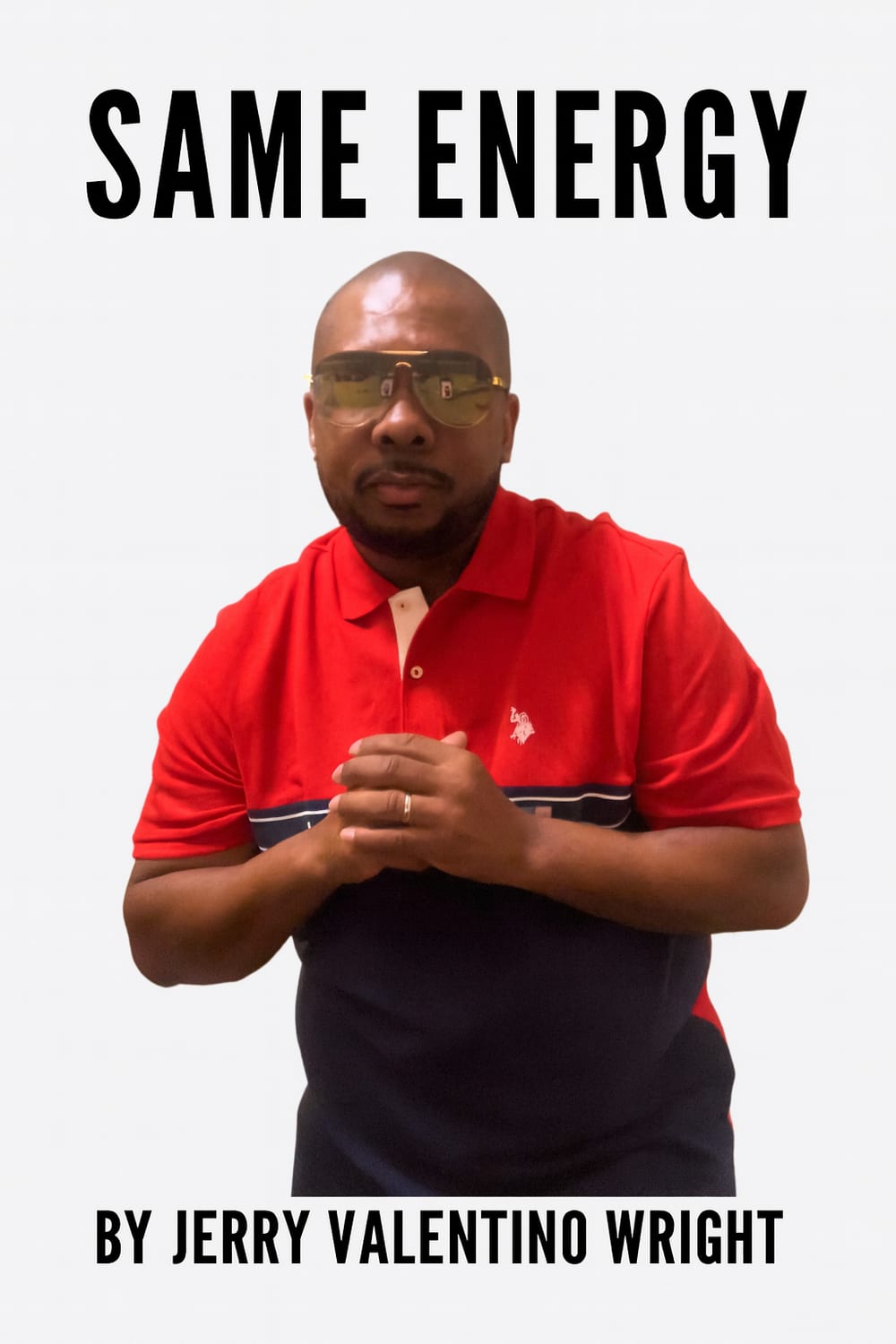
Chapter 20 – Same Energy, New Life

Part 1: Closing Old Doors for Good

Some doors don't close because you walked away — they close when you finally stop looking back. Old doors are symbolic: relationships that drained you, environments that minimized you, habits that robbed potential. Closing them is not rude. It's responsible. Because destiny requires empty hands to receive new assignments.

Old doors are tempting. They whisper nostalgia, pretending to be safety. But familiarity doesn't mean alignment. Sometimes the only reason a chapter still hurts is because you keep re-reading it. When you close the door, you silence the echo.

Closure isn't a conversation — it's a decision. You don't need permission to move on. You don't need validation to heal. You don't need applause to exit. Your spirit already knows what's expired.

When you close old doors completely, you end spiritual bleeding. You stop leaking energy into past versions of yourself. You stop entertaining people who only loved you wounded. You stop revisiting pain like it's home.

Close it. Lock it. Hang the "Not Available" sign. Not out of bitterness — out of protection. When the past knocks, answer with silence. Doors that don't lead forward only lead downward. The future requires closure. Courage closes doors. Destiny opens new ones.

Part 2: Releasing What's No Longer Aligned

Alignment is truth. It's the inner knowing when something that once fit… no longer does. It's clothes that feel tight, friendships that feel forced, conversations that feel repetitive. Misalignment drains energy invisibly. You feel exhausted without reason, irritated without trigger, numb without explanation.

Releasing alignment isn't personal; it's spiritual calibration. Some people were meant for your healing stage, not your elevation stage. Some habits protected you in storms but suffocate you in sunlight. What helped you survive might block you from thriving.

Release requires honesty: "This served me once, but it doesn't anymore." That's maturity. Maturity doesn't cling — it curates.

And release doesn't require dramatic exits. It can be quiet, graceful, invisible. You simply stop overgiving. Stop explaining. Stop forcing. Stop shrinking. When alignment fades, energy speaks louder than words.

When you release what's misaligned, peace returns. Creativity unlocks. Sleep deepens. Joy returns home. That's confirmation you made the right cut.

Don't feel guilty for evolving. Caterpillars and butterflies share DNA — but not environments. Release with gratitude, not resentment. Move forward with peace, not pride.

Everything aligned will meet you on the path ahead.

Part 3: Walking in New Power

When you upgrade your energy, you upgrade your authority. New power isn't ego — it's identity accepted. It's recognizing you are no longer the version that settled, begged, or apologized for boundaries. It's walking with quiet certainty.

New power doesn't show off — it shows up. It's presence. It's eye contact with destiny. It's saying, "I belong in this room," and letting the atmosphere adjust.

Walking in new power means speaking truth without shaking. It means trusting intuition without debate. It means acting from healed wounds instead of reacting from open ones. Your voice deepens. Your decisions sharpen. Your spirit stabilizes.

This power doesn't scream; it resonates. People feel it before you talk. Opportunities sense it. Rooms treat you differently. Not because you changed externally — but because your internal thermostat shifted.

New power also brings new responsibility. You're accountable to bigger vision, deeper impact, higher standards. Small thinking suffocates here. Drama can't breathe here. Fear can't function here.

You're not climbing anymore — you're commanding ground you once feared. This is spiritual maturity. This is legacy activation.

Walk in new power boldly. You've earned it through pain, pruning, and persistence.

Part 4: Same Energy, Elevated Spirit

The energy you learned to protect, multiply, and direct now becomes spiritual currency. Same energy — but refined, matured, sanctified. Elevated spirit means you don't just react differently; you interpret differently.

Elevated spirit gives you discernment. You sense intentions before words form. You see patterns before problems appear. You identify blessings disguised as challenges. That's elevation — spiritual eyesight.

Same energy doesn't mean same behavior. It means same passion, same fire — but aimed higher. It's ambition purified by peace. It's confidence without arrogance. It's boundaries without bitterness.

You stop fighting for attention and start commanding respect. You stop proving worth and simply embody it. You stop chasing love and let love find you healthy.

Elevated spirit doesn't panic; it pivots. It doesn't complain; it calculates. It doesn't collapse; it consults the Divine. You become less reactive and more reflective.

And suddenly… environments that once intimidated you feel small. Conversations that once triggered you feel irrelevant. Tests that once overwhelmed you feel like warm-ups.

Same energy — new altitude.

You're not becoming someone else. You're becoming who you always were, before fear borrowed your voice.

Part 5: Living as If Tomorrow Isn't Promised

Mortality is the greatest teacher. Tomorrow is not guaranteed, so today must be honored. Living as if tomorrow isn't promised doesn't mean recklessness — it means intentionality. It means loving loudly, forgiving quickly, showing up fully.

Life shifts when you stop saving dreams for "someday." Someday is not on any calendar. Dreams delayed become regrets stored. Call them now. Write them now. Launch them now. Hug them now. "Later" is a luxury not promised.

When you live urgently, you prioritize differently. You stop wasting time on gossip, grudges, and low-effort people. You redirect energy toward purpose, joy, peace. You say "I love you" without embarrassment. You celebrate progress loudly. You rest without guilt.

Living urgently also increases gratitude. Sunsets become sacred. Meals become moments. Conversations become connection. Presence becomes priceless. Little things gain meaning — because you're awake.

People often start truly living after tragedy shakes them awake. But wisdom says live awake now — before loss forces clarity. Wake up without emergency.

Tomorrow may not be promised — but today is powerful. Spend it on purpose. Spend it with love. Spend it with energy that reflects the legacy you want remembered.

Live full. Leave empty.

Epilogue — The Shift That Stays With You

The final page doesn't end your evolution — it activates it.

As you close this book, the world around you won't change instantly… but you will.

Your boundaries have sharpened. Your peace has matured. Your purpose has awakened. Your spirit stands taller.

You'll feel it the next time someone crosses a line you used to ignore. You'll feel it when an old habit tries to drag you back. You'll feel it when a blessing knocks and you finally answer without fear.

Because something shifted in you — permanently.

Life will test you, no doubt. New levels, new devils. But the energy you've learned to protect, direct, and multiply will guide you through storms like a compass dipped in divine ink.

From this moment forward: • You no longer beg for reciprocity. • You no longer sacrifice your worth. • You no longer resurrect dead situations. • You no longer shrink to make others comfortable. • You no longer waste time waiting for "perfect."

You walk differently now — with a quiet fire behind your ribs.

People may ask what changed. They'll feel it before they hear it. You'll outgrow rooms you once prayed to be in. Not with arrogance — with alignment.

Every chapter you just read was a lens, reframing the world. Every part was a tool, sharpening your spirit.

Your new life doesn't begin someday — it began on these pages.

The world needs who you are now, not who you were yesterday.

Close this book with gratitude… and open tomorrow with intention.

Because the energy that built this journey didn't end here — it evolved into you.

This is not goodbye. This is go become.

Author's Note — From the Pen of Jerry Valentino Wright

I didn't write this book to impress you. I wrote it to wake you up.

Every chapter was carved from experience — from broken boundaries, drained seasons, healed scars, quiet prayers, and hard lessons earned on streets and in spirit.

This isn't theory. This is life lived.

If these pages sparked something in you — protect it. Too many people get awakened… then fall back asleep.

You are proof that growth is still possible. You are evidence that purpose survives pain. You are the reminder that energy is sacred.

Thank you for trusting me with your time, heart, and attention. Your journey matters.

Remember: Your energy is your brand. Guard it like destiny.

— Jerry Valentino Wright

The End

Thank you for reading. Your energy is your brand. Guard it like destiny.